

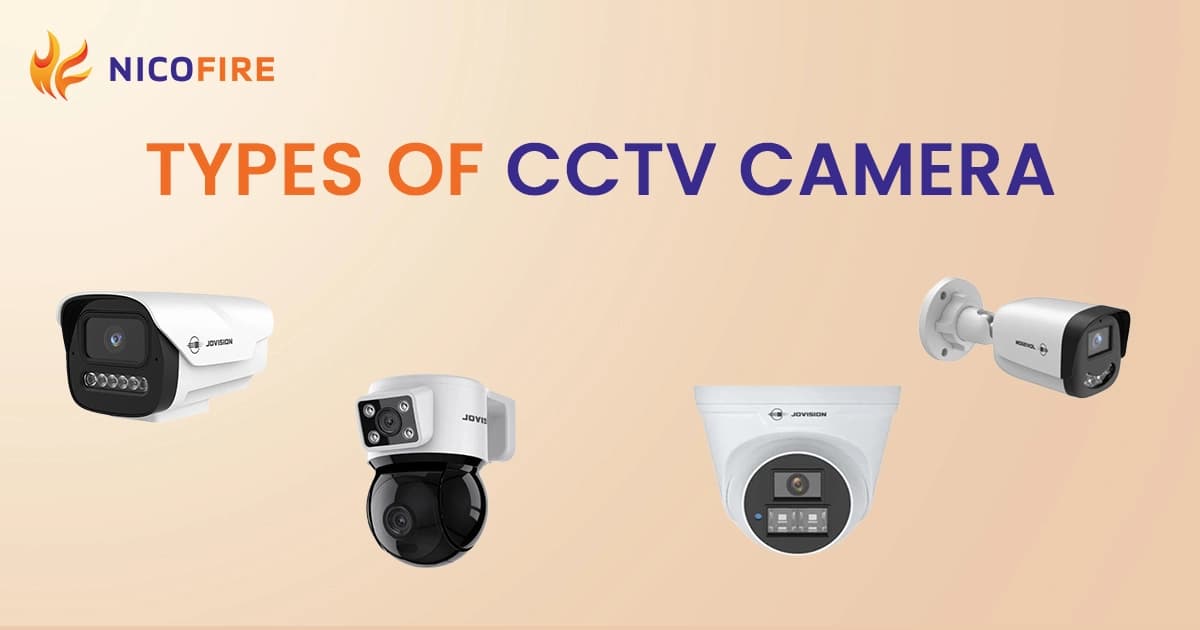
Security is important for homes, offices, shops, and other places in Nepal. CCTV cameras help keep people and property safe by recording activities and reducing security risks. However, not all CCTV cameras are the same. Each type is designed for different places and security needs.
In this guide, you will learn about the different types of CCTV cameras, their features, common uses, and how to choose the right camera for your home or business.
Table of Contents
What Is CCTV and Its Core Purpose?
CCTV stands for Closed-Circuit Television. It is a security system that uses cameras to record what is happening in a specific area. These cameras send video to screens, mobile apps, or recording devices so people can watch live or later. CCTV cameras are commonly installed in homes, offices, shops, schools, hospitals, and public places. They help people keep an eye on their property at all times, even when they are not physically present.
The main purpose of CCTV is to improve safety and prevent crime. When CCTV cameras are visible, people are less likely to steal, damage property, or do harmful activities. If any problem happens, the recorded video acts as strong proof and helps identify the people involved. CCTV also helps business owners and homeowners monitor daily activities, control access, and feel more secure. Overall, CCTV cameras play an important role in protecting people, property, and peace of mind.
CCTV Camera Types
CCTV cameras come in different shapes and designs, known as camera types or form factors. Each CCTV camera type is made for a specific security purpose and location. Some cameras are better for outdoor areas, while others work best indoors. Choosing the right CCTV camera type helps cover important areas, avoid blind spots, and improve overall security. When the correct camera is installed in the right place, it provides better monitoring and long-term safety.
1. Bullet Cameras
Bullet cameras are long and tube-shaped CCTV cameras that are mostly used for outdoor security. They are clearly visible, which helps scare away thieves and unwanted visitors. These cameras are commonly installed at gates, building entrances, parking areas, roads, and boundary walls. Bullet cameras are designed for long-distance viewing and usually come with strong night vision. Because they focus on one fixed direction, they are best for monitoring specific areas that need constant watch, such as entry and exit points.
2. Dome Cameras
Dome CCTV cameras have a round shape and are usually fixed on ceilings. They are widely used inside shops, offices, hotels, schools, hospitals, and homes. One major benefit of dome cameras is that people cannot easily see where the camera is pointing. This makes them good for quiet and discreet monitoring. Dome cameras are also harder to break or damage because of their compact design. They provide good coverage and are ideal for indoor security where appearance and protection matter.
3. PTZ Cameras
PTZ cameras are advanced CCTV cameras that can move left, right, up, and down, and also zoom in and out. These cameras are suitable for large areas such as warehouses, factories, parking lots, open grounds, and public spaces. One PTZ camera can cover a wide area and zoom in on important activities when needed. These cameras can be controlled manually or set to move automatically. PTZ cameras are useful in places where live monitoring and flexible control are important.
4. Wired CCTV Cameras
Wired CCTV cameras use cables to connect cameras to recorders and power sources. These cameras are known for stable and reliable performance. They provide clear video quality without signal loss, even during long hours of recording. Many modern wired cameras use Power over Ethernet (PoE), which allows both power and video data to pass through a single cable. This reduces cable clutter and makes installation cleaner. Wired CCTV cameras are best for offices, factories, schools, and places that need continuous and long-term monitoring.
5. Wireless CCTV Cameras
Wireless CCTV cameras connect using Wi-Fi instead of long cables. They are easy to install and are ideal for homes, apartments, and small shops. These cameras allow flexible placement and can be moved easily if needed. Wireless cameras usually connect to mobile apps, allowing users to view live video from anywhere. However, their performance depends on internet strength. A weak Wi-Fi connection can affect video quality or cause delays. With a good internet connection, wireless CCTV cameras provide convenient and effective security.
6. IP CCTV Cameras
IP CCTV cameras send video through the internet network. They offer high-quality video, smart features, and remote access. Users can watch live footage, receive alerts, and manage cameras using mobile phones or computers. IP cameras support features like motion detection and cloud storage. These cameras are widely used in modern CCTV systems in Nepal because they are flexible, easy to expand, and suitable for both homes and businesses. IP cameras are a good choice for users who want advanced security and easy control.
Advanced CCTV Features
Modern CCTV cameras are not just used for recording video anymore. Today’s CCTV systems come with advanced and smart features that help improve security in a better way. These features help cameras see clearly at night, detect movement more accurately, and alert users quickly. Advanced CCTV features are useful for homes, offices, shops, and public places in Nepal because they help prevent crime and give better control over security at all times.
1. Night Vision Cameras
Night vision CCTV cameras are made to work in dark or low-light areas. These cameras use infrared light to capture clear video even when there is no light. At night, the camera automatically switches to night mode and continues recording. This feature is very important for outdoor areas like gates, parking areas, roads, and building entrances. Night vision cameras help protect property during nighttime, when most theft and unwanted activities happen. They ensure security works 24 hours a day.
2. Thermal Imaging Cameras
Thermal CCTV cameras detect heat instead of normal light. They can identify people, animals, or objects based on body heat. These cameras work even in complete darkness, smoke, fog, or bad weather. Thermal cameras are mainly used in high-security areas such as factories, power plants, warehouses, and large open spaces. They are useful for detecting movement from far distances. Thermal imaging helps security teams react quickly in difficult conditions.
3. AI-Powered Smart Cameras
AI-powered CCTV cameras use smart technology to understand what is happening in the video. These cameras can detect people, vehicles, and unusual movement. They help reduce false alarms caused by animals, shadows, or tree movement. AI cameras can send instant alerts to mobile phones when something suspicious happens. This helps users take quick action and improve security. AI features are becoming popular in Nepal because they save time and improve safety.
4. Two-Way Audio Cameras
Two-way audio CCTV cameras allow users to listen and talk through the camera. This feature helps communicate with visitors, delivery persons, staff, or family members. It can also be used to warn intruders and stop crime before it happens. Two-way audio is very useful for homes, offices, and shops. Even when you are not at the location, you can talk through the camera and stay in control of your security.
Complete CCTV Security System
A good security system is not made of cameras alone. To get the best results, CCTV cameras must work together with recording devices, networks, and other security tools. When all parts are connected properly, the system becomes more reliable and easier to manage. A complete CCTV security system helps monitor areas, store important video, and respond quickly to security problems.
1. NVR and DVR Recorders
NVR and DVR are devices used to record and store CCTV footage. DVR, which stands for Digital Video Recorder, is used with analog CCTV cameras. NVR, or Network Video Recorder, works with IP cameras. These recorders store video safely so it can be viewed later if needed. They help users check past events, download video as proof, and keep records for many days. Choosing the right recorder is important for smooth recording and long-term storage.
2. Strong Network Setup
A strong network is very important for modern CCTV systems, especially IP and wireless cameras. Good network cables, routers, and switches help video stream smoothly without delay or buffering. A weak network can cause video loss or poor image quality. In offices, shops, and large buildings in Nepal, a proper network setup helps ensure cameras work continuously and recordings are saved correctly. A stable network improves overall CCTV performance.
3. Integration with Other Security Devices
CCTV cameras can be connected with other security systems such as alarms, motion sensors, fire alarms, and access control systems. This creates a complete security solution. For example, when a sensor detects movement, the camera can start recording or send an alert. Integration helps improve response time and increases safety. This type of setup is useful for banks, offices, factories, and commercial buildings.
4. Remote Viewing and Easy Control
Modern CCTV systems allow users to view live and recorded video from anywhere using mobile phones, tablets, or computers. This feature is called remote access. It helps homeowners and business owners check their property anytime, even when they are away. Easy-to-use mobile apps make it simple to control cameras, view alerts, and manage recordings. Good user experience makes CCTV systems more effective and convenient.
Choosing the Right CCTV System
Choosing the right CCTV camera system is very important for good security. Every home, shop, office, or building has different security needs. Some places need basic monitoring, while others need strong and advanced protection. If you choose the right CCTV system, it helps protect people, property, and daily activities. A well-planned CCTV system also saves money in the long run and avoids future problems.
1. Understand Your Security Needs
First, clearly identify the areas you want to monitor. This may include main gates, doors, rooms, parking areas, stores, or open spaces. Think about the security problems you may face, such as theft, unauthorized entry, or unsafe behavior. Homes usually need cameras at entry points, while shops and offices may need cameras inside and outside. Understanding your security needs helps you decide the number of cameras and the type of CCTV system required.
2. Check Environment and Camera Strength
The environment where the camera is installed matters a lot. Outdoor CCTV cameras must be strong and weather-resistant so they can handle rain, dust, heat, and cold. Indoor cameras do not need heavy protection but should still provide clear video. In Nepal, where weather conditions change often, choosing durable cameras helps ensure long life and stable performance. Strong cameras reduce repair and replacement costs.
3. Choose Connectivity and Power Options
CCTV cameras use different types of connections and power sources. Wired cameras provide stable video and are suitable for permanent setups. Wireless cameras are easier to install and good for homes and small shops. Solar-powered and 4G cameras are useful for remote areas where electricity or internet is not available. Choosing the right connection and power option helps the system work smoothly without interruption.
4. Select Useful Features
CCTV cameras come with different features based on security needs. Basic cameras record video, while advanced cameras offer night vision, motion detection, AI alerts, and two-way audio. You should select features that are useful for your location. For example, night vision is important for outdoor areas, while two-way audio is useful for homes and shops. Choosing the right features improves security without unnecessary cost.
Tips to Get the Best from Your CCTV System
To get the best performance from your CCTV camera system, it is important to use it the right way. Proper camera placement plays a big role in security. Cameras should be installed at main entrances, exits, gates, parking areas, and other high-risk locations where problems are more likely to happen. For IP and wireless CCTV cameras, a strong and stable internet connection is very important. Using good-quality routers and placing cameras within proper network range helps avoid video delay and signal loss. Correct placement and good network setup help cameras capture clear video and cover all important areas.
Regular care and smart use of features also help improve CCTV performance. Camera lenses should be cleaned from time to time, and software or firmware should be updated to keep the system running smoothly. Planning data storage is also important, as recorded video should be saved for the required number of days based on your security needs. Using smart analytics such as motion alerts and activity notifications helps users respond quickly to security events. When CCTV systems are maintained properly and used wisely, they provide strong, reliable, and long-term security.
Conclusion
Choosing the right CCTV camera system is very important to keep homes, offices, shops, and businesses safe in Nepal. Different CCTV cameras are made for different jobs. Some cameras watch big areas, some watch doors and gates, and some are used inside or outside buildings. When the right cameras are chosen and connected properly, the whole security system works well and is easy to use. A good CCTV system helps stop stealing, keeps a record of what happens, and lets owners see their place anytime. By thinking about your place, your needs, and your budget, you can choose a CCTV camera system that gives safety, protection, and peace of mind for a long time.
Frequently Asked Questions
CCTV cameras monitor homes, offices, shops, and public areas to prevent crime and keep people safe. They also record events, providing evidence in case of theft, damage, or accidents.
The main types are bullet, dome, and PTZ cameras. Bullet cameras are ideal for outdoor areas, dome cameras work well indoors, and PTZ cameras can rotate and zoom for large spaces.
Wired cameras provide stable video for long-term use, while wireless cameras are easier to install and flexible. The choice depends on location, convenience, and internet availability.
Features like night vision, motion detection, AI alerts, and two-way audio help improve security, reduce false alarms, and allow quick response to incidents.
Identify areas to monitor, consider camera type and placement, check durability for outdoor use, and choose useful features like remote viewing or motion detection for effective security.
Regularly clean lenses, check cables and connections, update software, and ensure stable power or internet. Proper maintenance ensures clear video and long-lasting performance.
Comments
No comments yet.
Be the first to share your thoughts.