Shopping Cart
Your cart is empty
Add some fire safety products to get started
My Wishlist
Your wishlist is empty
Save your favorite products to view them later
Fire Safety for Schools in Nepal
Schools, colleges, and universities accommodate large numbers of students, teachers, and staff every day, making fire safety essential. Common fire risks include electrical short circuits, overloaded wiring, laboratory chemicals, LPG gas leaks, cooking equipment, and faulty electrical appliances. Without proper fire protection, a small fire can spread quickly and threaten lives and property.
Installing fire alarm systems, smoke detectors, fire extinguishers, emergency lighting, and clearly marked exit routes helps detect fires early, supports safe evacuation, and reduces damage. At Nicofire, we provide reliable fire safety solutions for educational institutions across Nepal, helping create a safer environment for students, staff, and visitors.
Nepal Fire Safety Regulations
Key fire safety regulations and compliance requirements for this industry in Nepal.
Fire safety in schools and educational institutions in Nepal is primarily governed by the Nepal National Building Code (NBC 107: Fire Safety), municipal building bylaws, and regulations issued by local authorities. Schools, colleges, universities, and other educational facilities are generally required to provide adequate fire exits, emergency evacuation routes, fire alarm systems, portable fire extinguishers, emergency lighting, exit signage, and other fire safety measures appropriate to the size and occupancy of the building.
Compliance is typically reviewed by the respective Metropolitan City, Sub-Metropolitan City, Municipality, or Rural Municipality during the building approval and occupancy process. Depending on the type and size of the institution, inspections may also involve the local fire service to verify that fire safety requirements are properly implemented.
Failure to comply with fire safety regulations may result in delays in building approval or occupancy certificates, mandatory corrective actions, penalties imposed by local authorities, and increased safety risks for students and staff. Maintaining properly installed and regularly serviced fire safety equipment helps educational institutions meet regulatory requirements while protecting lives, property, and ensuring a safer learning environment.
Recommended Fire Safety Products
Product recommendations for this industry
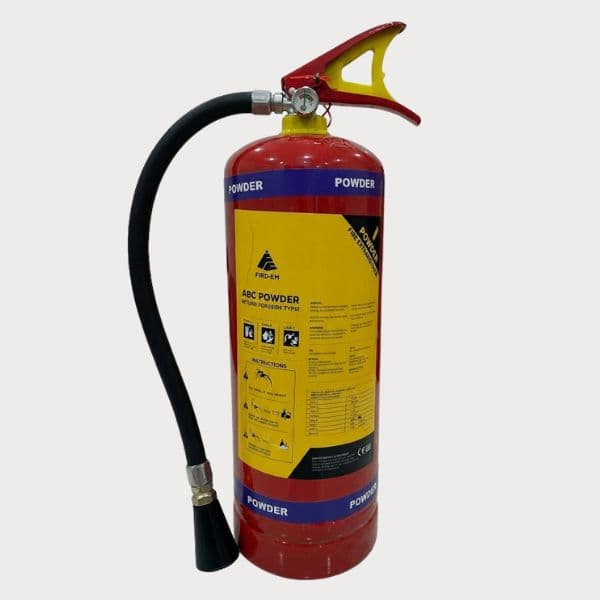
6kg ABC Fire Extinguisher
The 6 Kg ABC Type Fire Extinguisher is a powerful and efficient fire safety device designed to handle medium to large fire emergencies. It contains ABC dry chemical powder that can effectively extinguish Class A fires (wood, paper, cloth), Class B fires (flammable liquids like petrol and oil), and Class C fires (electrical equipment). With its higher capacity, it provides longer discharge and stronger fire control, making it suitable for offices, workshops, commercial areas, and industrial environments. The extinguisher is easy to operate and ensures quick response during emergency situations.
Rs. 3,000
View Product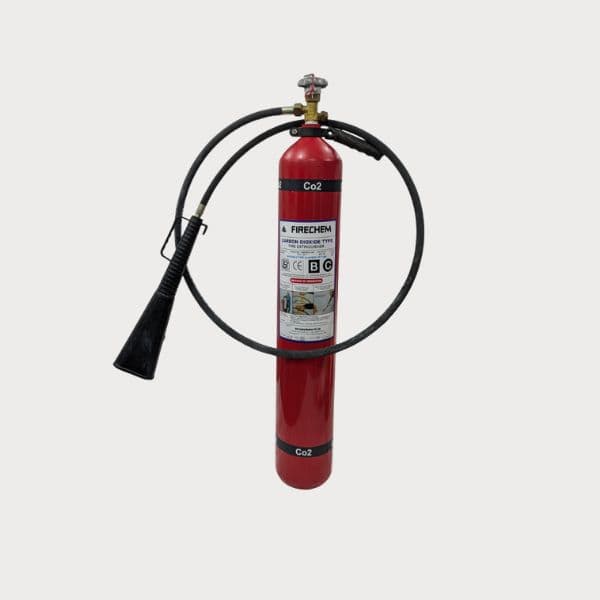
6.5Kg CO2 Fire Extinguisher
The 6.5 Kg CO2 Fire Extinguisher is a strong and reliable fire safety device used to control electrical fires and flammable liquid fires. It works by releasing carbon dioxide (CO2) gas, which removes oxygen from the fire and quickly puts it out without leaving any residue. With its larger 6.5 Kg capacity, it offers longer discharge time and better fire control, making it suitable for offices, laboratories, workshops, and industrial areas. It is easy to use and provides fast and safe protection during fire emergencies.
Rs. 18,000
View Product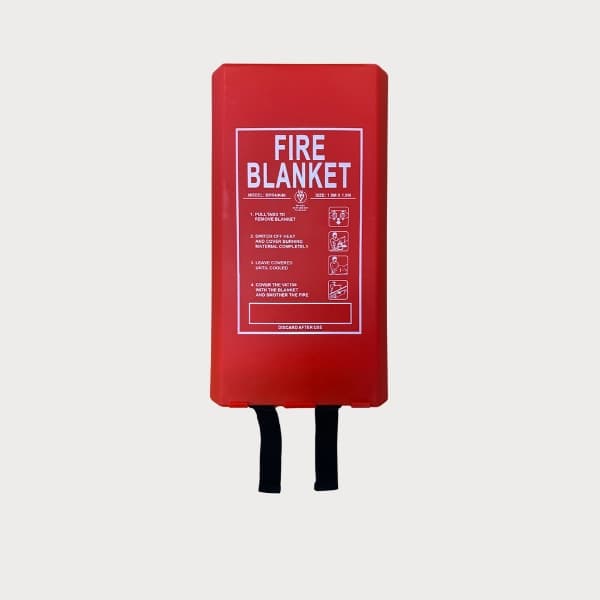
Fire Blanket
The Fire Blanket is a dependable safety device designed to extinguish small fires quickly and effectively. Made from high-quality, flame-resistant materials, it works by smothering flames and cutting off oxygen supply, providing immediate protection in emergency situations. Suitable for homes, kitchens, garages, workshops, vehicles, and commercial spaces, this fire blanket offers a simple, mess-free, and highly efficient method of fire suppression.
Rs. 2,500
View Product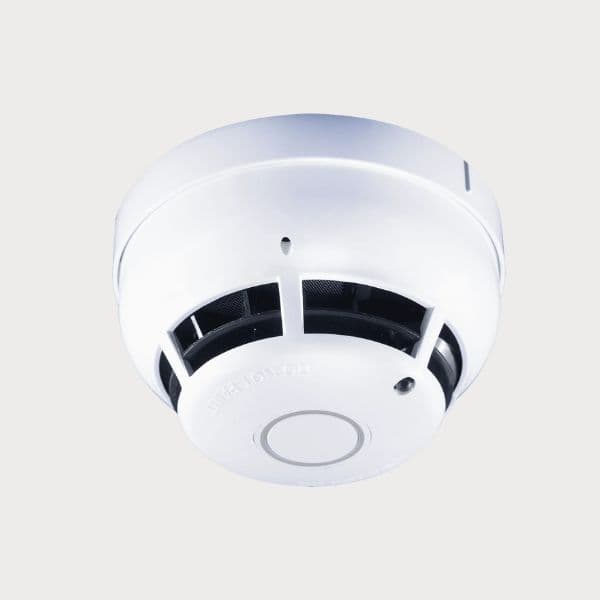
Smoke Detector
A smoke detector is an essential fire safety device designed to identify smoke at the earliest stage of a fire and alert occupants with a loud alarm. It uses advanced sensing technology to detect even small amounts of smoke, providing crucial early warning that helps prevent property damage and saves lives. Installed in homes, offices, commercial buildings, and industrial areas, smoke detectors ensure fast detection, allowing people to respond quickly before the fire spreads.
Rs. 2,500
View Product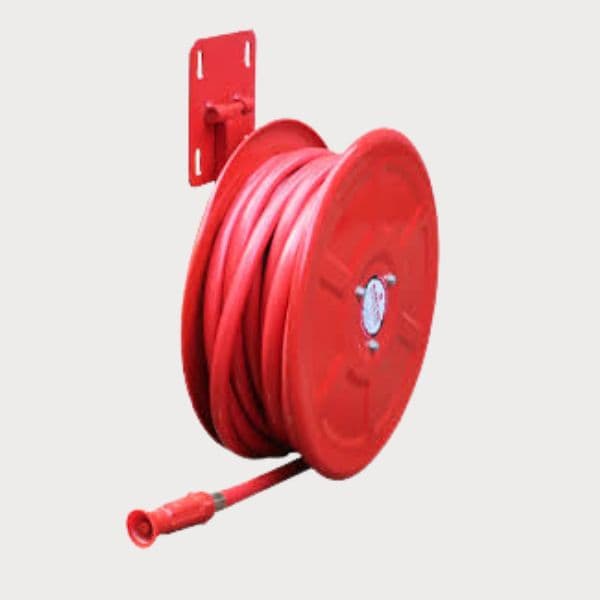
Fire Hose Reel
The Emergency Manual Swing Type Fire Hose Reel is a reliable fire safety device designed to provide a quick and continuous water supply during fire emergencies. It is commonly installed in residential buildings, commercial complexes, industrial facilities, and public areas to control small fires before they spread. The swing type mechanism allows the reel to move smoothly, making hose operation easy even in tight spaces.
Rs. 15,000
View Product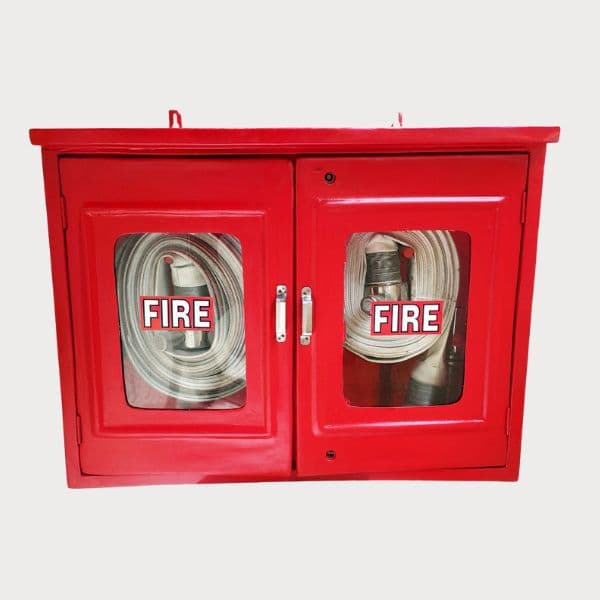
Fire Hose Cabinet- Double Door
A Fire Hose Cabinet is a protective enclosure designed to store and safeguard firefighting equipment such as fire hoses, hose reels, landing valves, nozzles, and fire extinguishers. Installed in residential, commercial, and industrial buildings, it ensures that all essential firefighting tools remain clean, organized, and immediately accessible during emergencies. Fire hose cabinets help reduce response time and improve safety by keeping equipment ready for use.
Rs. 13,000
View Product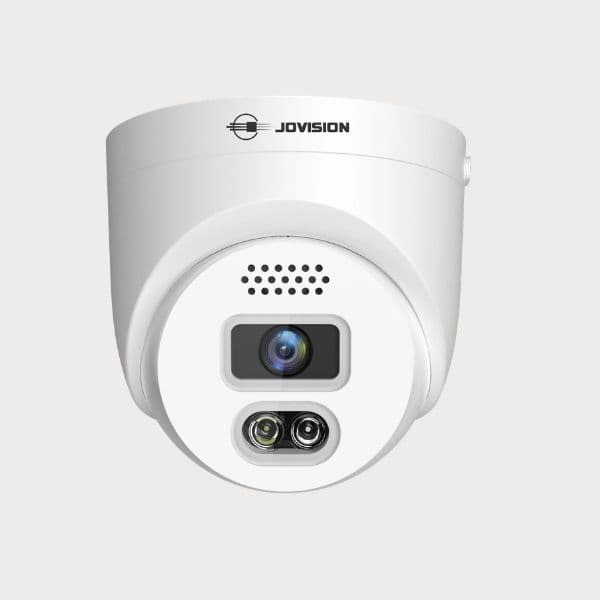
3MP Full-Color Video & Audio PoE IP Camera
The 3MP Full-Color Video & Audio PoE IP Camera is designed to provide reliable surveillance for homes, offices, shops, and outdoor environments. It features a 3MP CMOS sensor that delivers clear and detailed video, helping users monitor important areas effectively. The model JVS-N937-SDL supports full-color monitoring with warm LEDs and infrared LEDs, allowing the camera to capture clear images even in low-light conditions.
Rs. 8,560
View ProductCommon Fire Risk Zones in Schools
Classrooms
Fire Risk
Classrooms contain electrical equipment such as computers, projectors, fans, and lighting systems that may pose fire risks due to faulty wiring or overloaded electrical outlets. Regular inspections and fire safety equipment help reduce these risks
Science Laboratories
Fire Risk
Science laboratories store chemicals, flammable liquids, gas cylinders, and laboratory equipment that can increase the risk of fire. Proper storage, fire extinguishers, fire blankets, and emergency response equipment are essential for these areas.
Computer Labs and Server Rooms
Fire Risk
Computer labs and server rooms contain valuable electronic equipment that operates continuously. Electrical faults, overheating devices, and damaged cables can cause fires. Smoke detection systems and clean agent fire suppression systems provide effective protection.
School Kitchens and Cafeterias
Fire Risk
Cooking equipment, LPG gas cylinders, electrical appliances, and hot oil make kitchens one of the highest fire-risk areas in educational institutions. Fire extinguishers, fire blankets, and kitchen fire suppression systems help control fire emergencies.
Corridors, Staircases, and Exit Routes
Fire Risk
Corridors and staircases serve as primary evacuation routes during emergencies. Keeping these areas free from obstructions and equipped with emergency lighting, exit signs, and fire-rated doors helps ensure a safe and orderly evacuation.
Get a free fire safety assessment for your schools
Tell us about your facility — our team responds within one business day with a tailored fire safety plan.
Frequently Asked Questions (FAQs)
Fire safety is important because schools have large numbers of students, teachers, and staff every day. Proper fire safety systems help protect lives, school property, and ensure safe evacuation during emergencies.
Common causes include electrical short circuits, overloaded wiring, laboratory chemicals, faulty electrical equipment, LPG gas leaks, and cooking appliances in school kitchens or cafeterias. Regular maintenance helps reduce these risks.
Schools should have fire extinguishers, fire alarm systems, smoke detectors, emergency lighting, exit signs, and other essential fire safety equipment. These systems help detect fires early and support safe evacuation.
Fire safety equipment should be inspected and serviced regularly to ensure it works properly during an emergency. Regular maintenance also helps schools meet fire safety requirements.
Fire drills help students and staff learn how to respond safely during a fire emergency. They improve awareness, reduce panic, and ensure everyone knows the evacuation routes.
Yes. Nicofire provides complete fire safety solutions for schools and educational institutions across Nepal, including fire extinguishers, fire alarm systems, smoke detectors, emergency lighting, and other fire safety equipment.