Shopping Cart
Your cart is empty
Add some fire safety products to get started
My Wishlist
Your wishlist is empty
Save your favorite products to view them later
Fire Safety for Data Centers in Nepal
Data centers store important business data and keep websites, cloud services, and computer systems running all day. They contain servers, electrical equipment, batteries, and cooling systems that work continuously. Common fire risks include electrical short circuits, overloaded circuits, overheating equipment, damaged cables, and battery failures. Even a small fire can damage expensive equipment, stop business operations, and lead to data loss.
Installing fire alarm systems, smoke detectors, clean agent fire suppression systems, and portable fire extinguishers helps detect fires early and protect valuable equipment. At Nicofire, we provide reliable fire safety solutions for data centers across Nepal to help keep your people, equipment, and business safe.
Nepal Fire Safety Regulations
Key fire safety regulations and compliance requirements for this industry in Nepal.
Fire safety compliance for data centers in Nepal is governed through multiple legal and technical requirements. Buildings must comply with the Nepal National Building Code (NBC 107: Fire Safety) and relevant municipal building bylaws, while data center operators are also subject to the Data Center and Cloud Service (Operation and Management) Directive, 2081 (2025). The directive requires data centers to maintain appropriate fire extinguishers and fire safety arrangements as part of the mandatory infrastructure for registration and operation. It also requires suitable HVAC systems, physical security measures, access control, continuous power availability, and regular operational management to ensure the safe operation of data center facilities.
Compliance is generally monitored by the relevant municipal authorities for building safety, while registered data centers are regulated by the Ministry of Communication and Information Technology (MoCIT) and the Department of Information Technology (DoIT) under the Data Center and Cloud Service Directive. During inspections, authorities may verify compliance with fire safety requirements, infrastructure standards, operational reliability, and security measures. Failure to meet applicable fire safety and regulatory requirements may delay approvals, affect registration or operational compliance, require corrective actions, and expose operators to legal, financial, and operational risks. Maintaining proper fire protection systems helps data center operators meet regulatory requirements while protecting critical infrastructure, business continuity, and customer data.
Recommended Fire Safety Products
Product recommendations for this industry
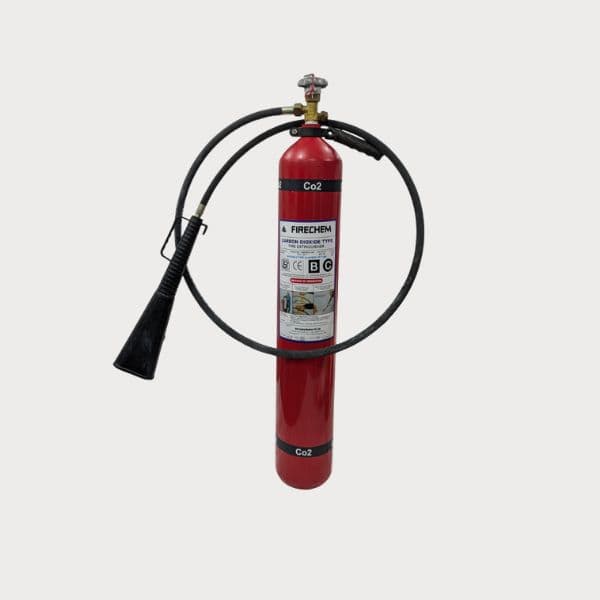
6.5Kg CO2 Fire Extinguisher
The 6.5 Kg CO2 Fire Extinguisher is a strong and reliable fire safety device used to control electrical fires and flammable liquid fires. It works by releasing carbon dioxide (CO2) gas, which removes oxygen from the fire and quickly puts it out without leaving any residue. With its larger 6.5 Kg capacity, it offers longer discharge time and better fire control, making it suitable for offices, laboratories, workshops, and industrial areas. It is easy to use and provides fast and safe protection during fire emergencies.
Rs. 18,000
View Product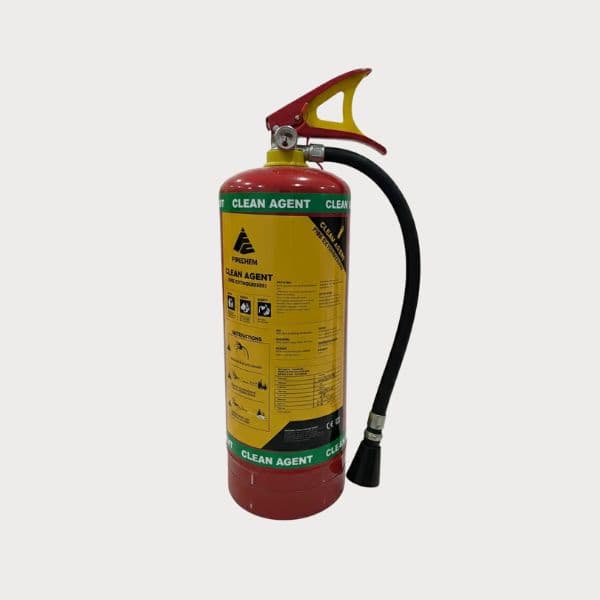
4Kg Clean Agent Fire Extinguisher
The 4 Kg Clean Agent Fire Extinguisher is a reliable and effective fire safety device designed to handle electrical fires and flammable liquid fires without leaving any residue. It releases a safe, non-conductive clean agent gas that quickly suppresses flames while protecting sensitive equipment. With a 4 Kg capacity, it is ideal for offices, data centers, laboratories, vehicles, homes, and commercial spaces. Lightweight and easy to operate, it ensures fast and safe fire response during emergencies.
Rs. 16,000
View Product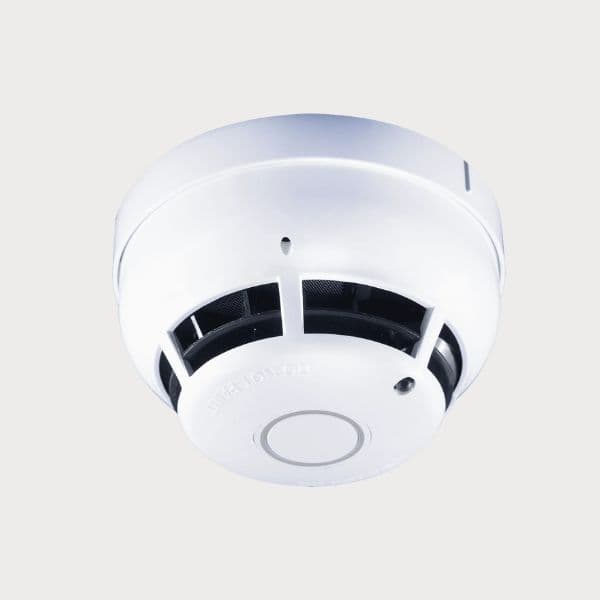
Smoke Detector
A smoke detector is an essential fire safety device designed to identify smoke at the earliest stage of a fire and alert occupants with a loud alarm. It uses advanced sensing technology to detect even small amounts of smoke, providing crucial early warning that helps prevent property damage and saves lives. Installed in homes, offices, commercial buildings, and industrial areas, smoke detectors ensure fast detection, allowing people to respond quickly before the fire spreads.
Rs. 2,500
View Product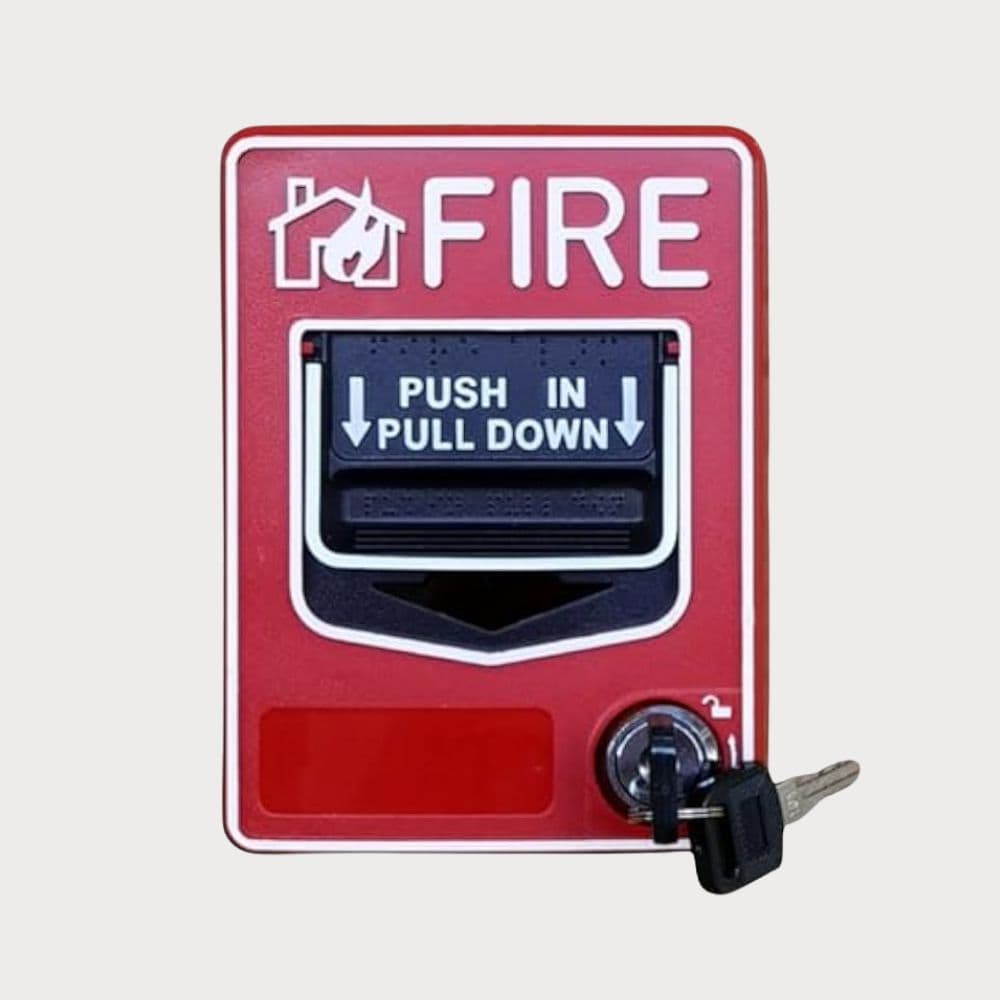
Fire Alarm
A Fire Alarm is a vital safety device designed to detect fire at its earliest stage and alert occupants immediately. Using advanced sensors, it monitors smoke, heat, or flames, providing real-time warnings to prevent loss of life and property damage. Fire alarms are essential for homes, offices, commercial spaces, warehouses, and industrial setups, offering a reliable, fast, and automated approach to fire safety. Modern fire alarms are easy to install, user-friendly, and compatible with other safety systems like sprinklers and emergency lights. With loud alarms and visual indicators, they ensure immediate evacuation and rapid response in case of fire emergencies.
Rs. 2,500
View Product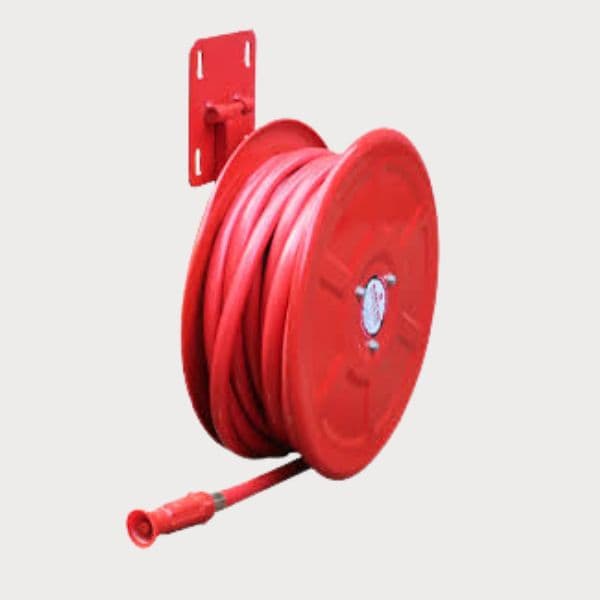
Fire Hose Reel
The Emergency Manual Swing Type Fire Hose Reel is a reliable fire safety device designed to provide a quick and continuous water supply during fire emergencies. It is commonly installed in residential buildings, commercial complexes, industrial facilities, and public areas to control small fires before they spread. The swing type mechanism allows the reel to move smoothly, making hose operation easy even in tight spaces.
Rs. 15,000
View Product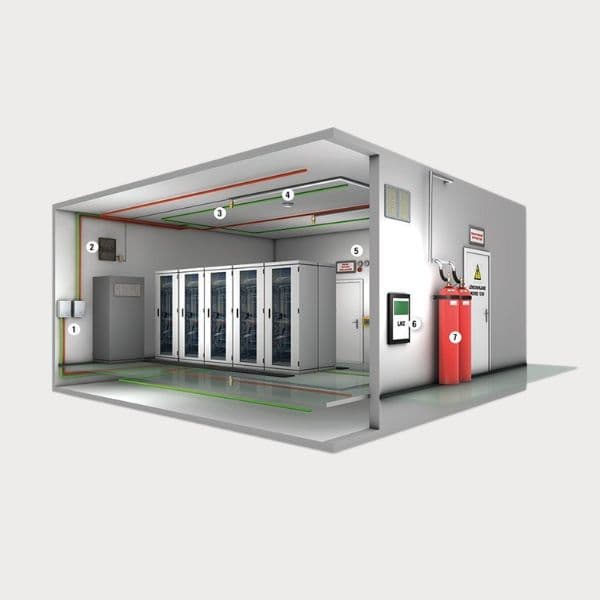
Server Room Suppression
A Server Room Suppression System is a highly reliable fire protection solution designed to safeguard IT rooms, data centers, and sensitive electronic environments. Server rooms contain valuable equipment such as servers, network hardware, cables, and power systems, all of which can be severely damaged by smoke, heat, or traditional water-based firefighting methods. This system uses clean agents like FM-200 or NOVEC 1230 that extinguish fires instantly without leaving any residue or harming electronic components.
View ProductCommon Fire Risk Zones in Data Centers
Server Rooms
Fire Risk
Server rooms contain racks of servers, storage devices, and networking equipment that operate continuously. Electrical faults, overheating equipment, and damaged cables can increase the risk of fire. Early smoke detection and clean agent fire suppression systems are essential to protect critical IT infrastructure.
Electrical Rooms
Fire Risk
Electrical rooms house switchgear, transformers, distribution panels, and power control equipment. Short circuits, overloaded circuits, and equipment failures can lead to electrical fires, making reliable fire protection systems essential.
Cooling and HVAC Equipment Rooms
Fire Risk
Cooling systems operate continuously to maintain the required temperature inside the data center. Electrical faults or mechanical failures in HVAC equipment can create fire hazards if not properly monitored and maintained.
Get a free fire safety assessment for your data centers
Tell us about your facility — our team responds within one business day with a tailored fire safety plan.
Frequently Asked Questions (FAQs)
Fire safety is important because data centers store valuable data and critical IT equipment. A fire can cause equipment damage, service interruption, and costly downtime. Proper fire protection helps keep operations running safely.
The most common causes include electrical short circuits, overloaded circuits, overheating servers, battery failures, and damaged cables. Regular maintenance and early fire detection help reduce these risks.
CO2 and clean agent fire extinguishers are commonly recommended for data centers. They help control electrical fires without leaving residue or damaging sensitive electronic equipment.
A data center should have fire alarm systems, smoke detectors, clean agent fire suppression systems, portable fire extinguishers, and emergency lighting. These systems help detect and control fires quickly while protecting valuable equipment.
Fire safety equipment should be inspected and maintained regularly to ensure it works properly during an emergency. Routine servicing also helps meet safety standards and reduces the risk of equipment failure.
Yes. Nicofire provides fire extinguishers, fire alarm systems, smoke detection systems, clean agent fire suppression systems, and other fire safety equipment for data centers across Nepal.