Shopping Cart
Your cart is empty
Add some fire safety products to get started
My Wishlist
Your wishlist is empty
Save your favorite products to view them later
Fire Safety for Residential Societies in Nepal
Residential societies, apartment complexes, and gated communities accommodate many residents, making fire safety essential. Fires can spread quickly through corridors, stairwells, parking areas, and common spaces, putting lives and property at risk. Common causes of fire include electrical short circuits, overloaded wiring, faulty appliances, LPG gas leaks, unattended cooking, and improper storage of flammable materials.
Installing reliable fire safety systems such as fire alarms, smoke detectors, fire extinguishers, sprinkler systems, fire hydrants, emergency lighting, and exit signs helps detect fires early, supports safe evacuation, and reduces property damage. Regular maintenance and fire safety awareness are also important for keeping residents safe.
At Nicofire, we provide complete fire safety solutions for residential societies across Nepal. Our high-quality fire protection systems help apartment owners and housing societies improve safety, protect residents, and reduce fire risks.
Nepal Fire Safety Regulations
Key fire safety regulations and compliance requirements for this industry in Nepal.
Fire safety compliance for residential societies in Nepal is primarily governed by the Nepal National Building Code (NBC 107: Fire Safety), municipal building bylaws, and local authority regulations. Multi-storey residential buildings, apartment complexes, and gated communities are generally required to incorporate appropriate fire safety measures during planning and construction. These include adequate fire exits, emergency staircases, fire alarm systems, portable fire extinguishers, fire hydrant systems where applicable, emergency lighting, exit signage, and safe evacuation routes.
Fire safety compliance is typically reviewed by the respective Metropolitan City, Sub-Metropolitan City, Municipality, or Rural Municipality during the building approval process. Depending on the size and occupancy of the building, inspections may also involve local fire services before occupancy approval or during periodic safety checks.
Failure to comply with applicable fire safety requirements may delay building approvals, occupancy certificates, or Fire NOC (where required). Property owners and management committees may also face penalties, mandatory corrective actions, increased safety risks, and potential insurance claim issues if inadequate fire protection is identified after a fire incident. Maintaining properly installed and regularly maintained fire safety systems helps residential societies protect lives, preserve property, comply with applicable regulations, and improve emergency preparedness.
Recommended Fire Safety Products
Product recommendations for this industry
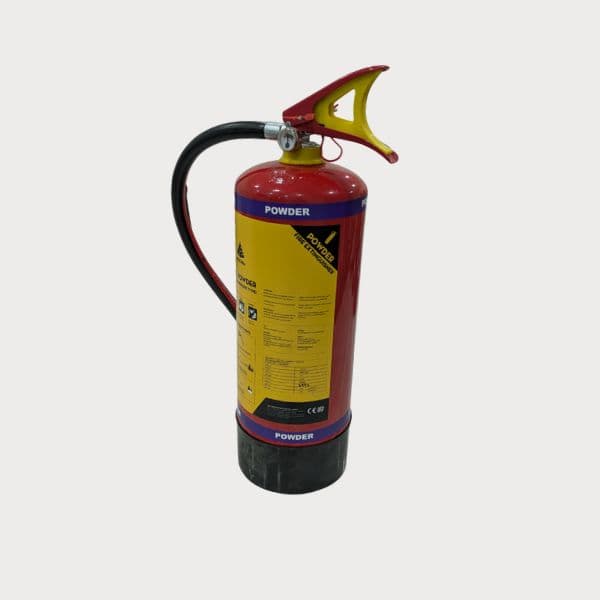
4kg ABC Fire Extinguisher
The 4 Kg ABC Type Fire Extinguisher is a reliable and efficient fire safety device designed to handle medium fire emergencies. It contains ABC dry chemical powder that can effectively extinguish Class A fires (wood, paper, cloth), Class B fires (flammable liquids like petrol and oil), and Class C fires (electrical equipment). With its higher capacity, it provides stronger and longer fire control, making it suitable for homes, offices, workshops, and commercial spaces. The unit is easy to operate and ensures quick response during fire emergencies.
Rs. 2,500
View Product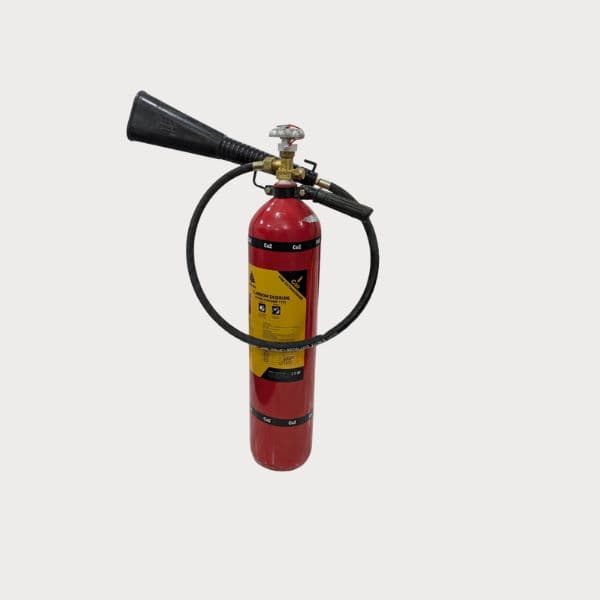
4.5Kg CO2 Fire Extinguisher
Ideal for electrical and flammable liquid fire protection Works on Class B and Class C fires Suitable for medium to large fire risks with higher capacity Uses CO₂ gas for fast, residue-free fire control Discharge horn design for safe and controlled operation
Rs. 13,000
View Product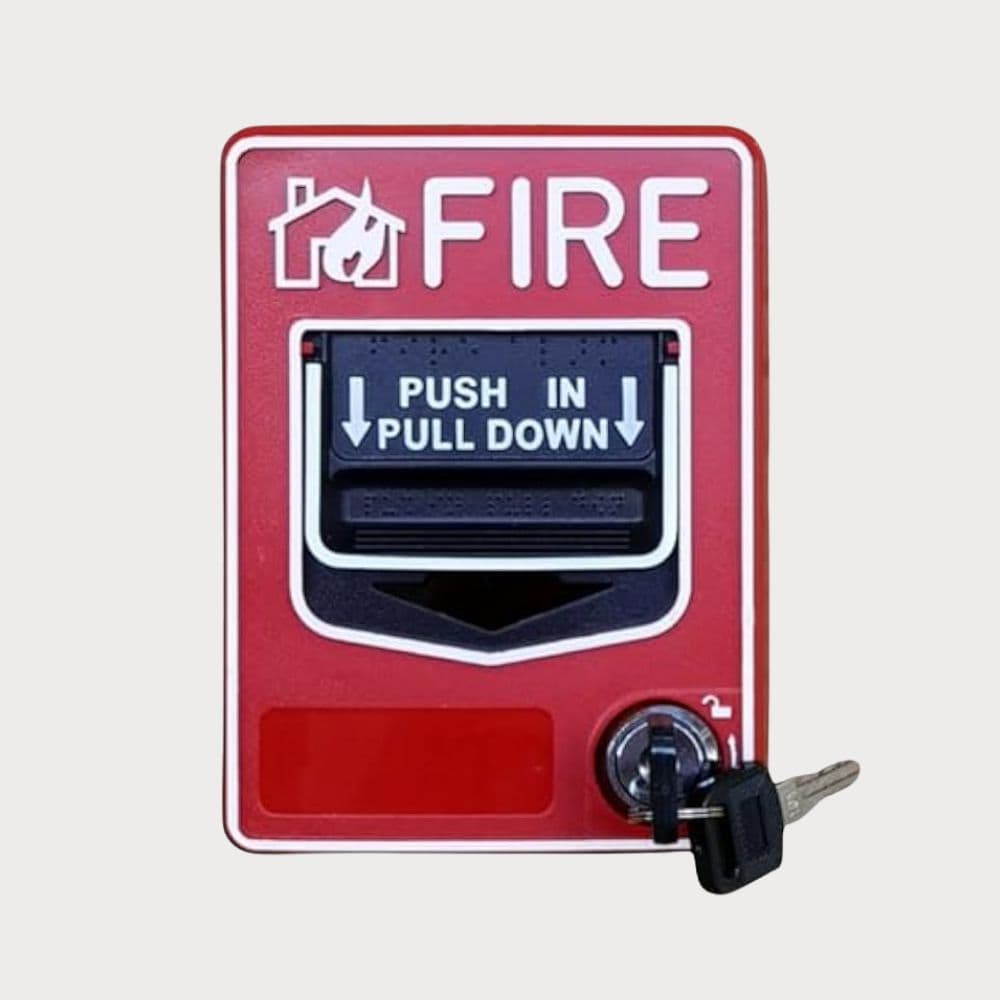
Fire Alarm
A Fire Alarm is a vital safety device designed to detect fire at its earliest stage and alert occupants immediately. Using advanced sensors, it monitors smoke, heat, or flames, providing real-time warnings to prevent loss of life and property damage. Fire alarms are essential for homes, offices, commercial spaces, warehouses, and industrial setups, offering a reliable, fast, and automated approach to fire safety. Modern fire alarms are easy to install, user-friendly, and compatible with other safety systems like sprinklers and emergency lights. With loud alarms and visual indicators, they ensure immediate evacuation and rapid response in case of fire emergencies.
Rs. 2,500
View Product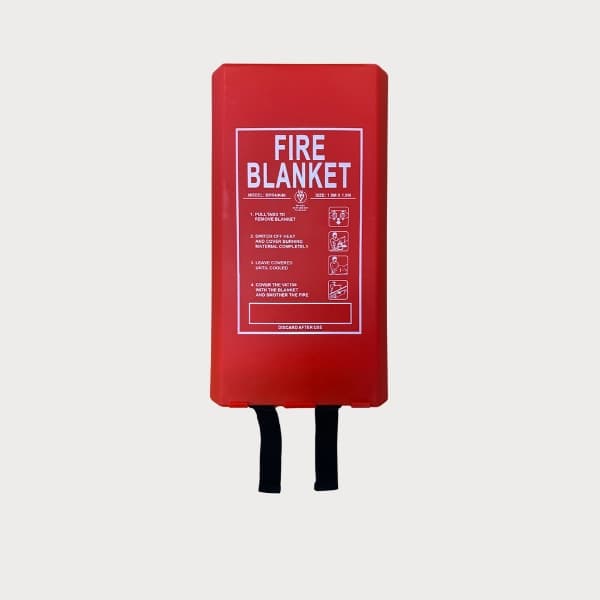
Fire Blanket
The Fire Blanket is a dependable safety device designed to extinguish small fires quickly and effectively. Made from high-quality, flame-resistant materials, it works by smothering flames and cutting off oxygen supply, providing immediate protection in emergency situations. Suitable for homes, kitchens, garages, workshops, vehicles, and commercial spaces, this fire blanket offers a simple, mess-free, and highly efficient method of fire suppression.
Rs. 2,500
View Product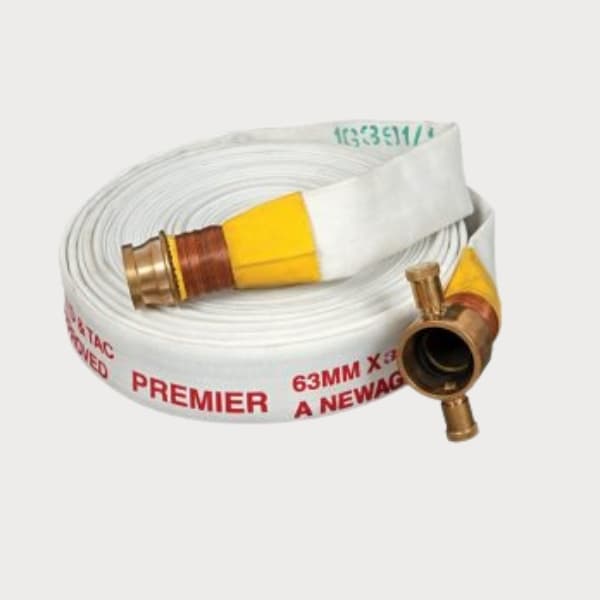
Fire Hose Pipe
A Fire Hose Pipe is a vital firefighting component designed to deliver a continuous and controlled water supply during fire emergencies. It is commonly used in fire hydrant systems, fire stations, industrial units, and commercial buildings where dependable fire protection is required. The fire hose pipe is built to withstand high pressure, rough handling, and demanding operating conditions.
Rs. 30,000
View Product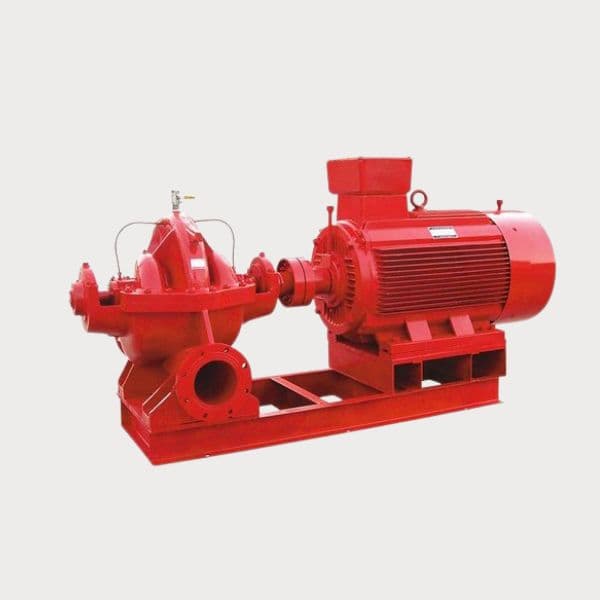
Fire Hydrant Pump
The Fire Pump is a fire protection pump used to supply water at the required pressure to hydrant, sprinkler, and hose reel systems during emergencies. It is suitable for commercial, industrial, and residential fire safety installations.
View Product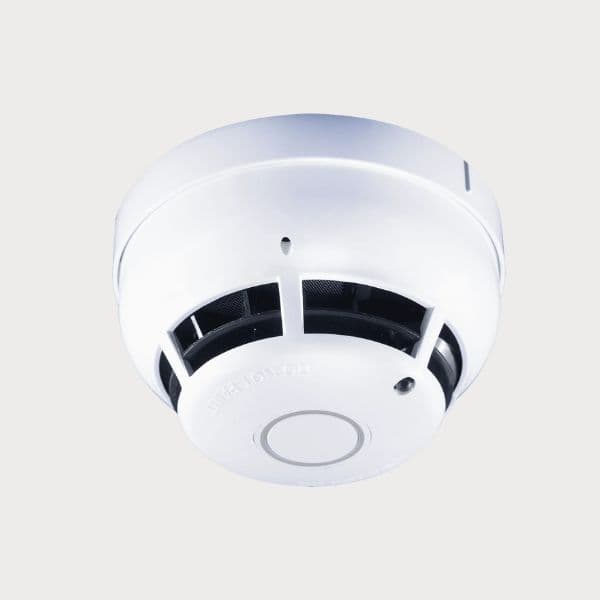
Smoke Detector
A smoke detector is an essential fire safety device designed to identify smoke at the earliest stage of a fire and alert occupants with a loud alarm. It uses advanced sensing technology to detect even small amounts of smoke, providing crucial early warning that helps prevent property damage and saves lives. Installed in homes, offices, commercial buildings, and industrial areas, smoke detectors ensure fast detection, allowing people to respond quickly before the fire spreads.
Rs. 2,500
View ProductCommon Fire Risk Zones in Residential Societies
Apartment Kitchens
Fire Risk
Kitchens are one of the most common places where fires start due to LPG gas leaks, unattended cooking, overheated oil, and electrical appliances. Installing fire extinguishers and fire blankets can help control small fires before they spread.
Electrical Rooms
Fire Risk
Electrical panels, distribution boards, and wiring systems can become fire hazards due to short circuits, overloaded circuits, poor maintenance, or faulty electrical installations. Regular inspections and fire protection systems help reduce these risks.
Parking Areas
Fire Risk
Basement and covered parking areas contain vehicles, fuel, batteries, and electrical charging equipment that may increase fire risks. Smoke detection, fire extinguishers, and hydrant systems improve fire protection in these areas.
Common Areas
Fire Risk
Lobbies, community halls, gyms, and recreational spaces accommodate many residents and visitors. Fire alarm systems, smoke detectors, emergency lighting, and portable fire extinguishers help improve safety in these shared spaces.
Get a free fire safety assessment for your residential societies
Tell us about your facility — our team responds within one business day with a tailored fire safety plan.
Frequently Asked Questions (FAQs)
Residential societies have many families living in one building, so a fire can spread quickly. Proper fire safety systems help protect residents, reduce property damage, and support safe evacuation during emergencies.
Common causes include electrical short circuits, overloaded wiring, LPG gas leaks, unattended cooking, faulty electrical appliances, and improper storage of flammable materials. Regular maintenance helps reduce these risks.
A residential society should have fire extinguishers, fire alarm systems, smoke detectors, fire hydrants, emergency lighting, exit signs, and other fire safety equipment. These systems help detect and control fires at an early stage.
Fire safety equipment should be inspected and serviced regularly to ensure it is working properly. Regular maintenance helps improve safety and keeps the equipment ready for emergencies.
Yes. Fire extinguishers are an important part of fire safety in apartment buildings. They help control small fires before they spread and should be installed in easily accessible locations.
Yes. Nicofire provides complete fire safety solutions for residential societies across Nepal, including fire extinguishers, fire alarm systems, smoke detectors, fire hydrant systems, emergency lighting, and other fire safety equipment.