

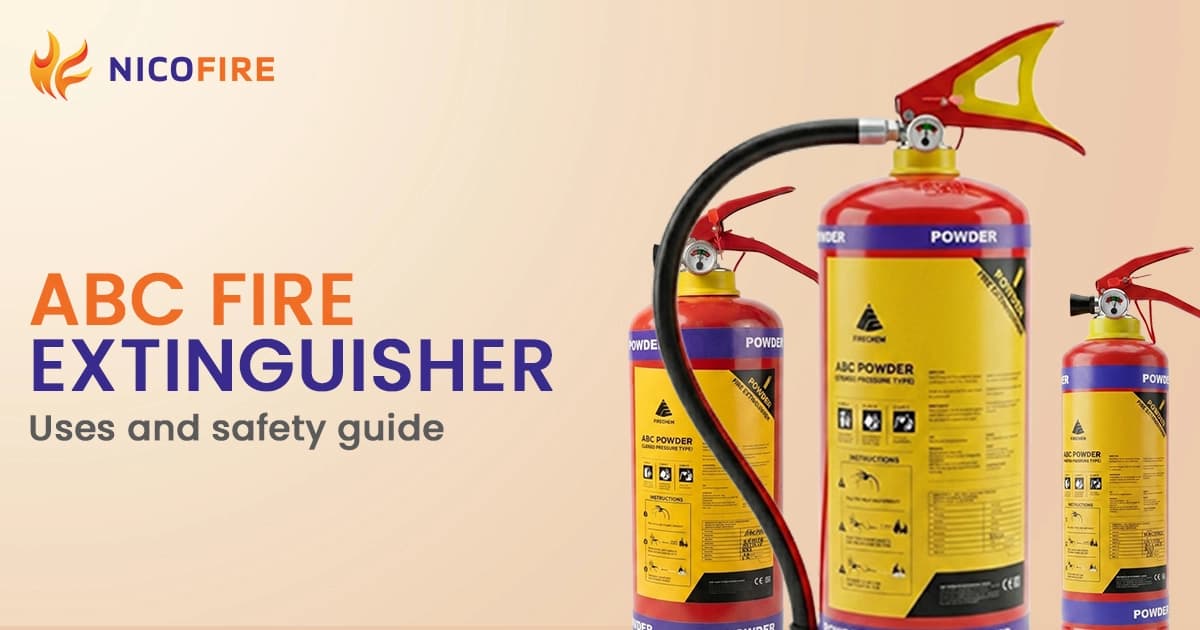
A fire can start at any time and often when you least expect it. It may begin from simple things like cooking, a short circuit, a gas leak, or even a candle left burning. In these moments, having the right fire extinguisher close to you can protect your home, your family, and your valuable belongings. An ABC fire extinguisher is one of the most trusted options because it can handle different kinds of fires that commonly happen in daily life. This guide is made for beginners and explains everything in simple words. It will help you understand how an ABC extinguisher works, where to use it, and why it is one of the best choices for homes and workplaces in Nepal.
Table of Contents
The Critical Role of Fire Extinguishers in Fire Safety
Fire extinguishers play an important role in stopping a fire before it spreads. Most fires start small, and if you act quickly with the right extinguisher, you can prevent a big disaster. Without a fire extinguisher, even a small flame can become dangerous in just a few minutes and cause heavy damage. Keeping extinguishers in places like kitchens, living rooms, offices, shops, schools, and vehicles gives you immediate safety support. It also helps you feel more secure, knowing you have a tool that can help control a fire until help arrives. This quick action can save lives, reduce damage, and make your surroundings much safer.
What Makes the ABC Fire Extinguisher So Versatile?
The ABC fire extinguisher is known for its wide use because it can fight three different types of fires. It works on fires that involve solid materials like paper, wood, or cloth. It also works on fires caused by flammable liquids such as petrol, diesel, or cooking oil. In addition to this, it is safe to use on electrical fires that may come from wires, switches, or appliances. This makes the ABC extinguisher a single solution for many fire risks at home, in offices, and in vehicles. The dry chemical powder inside the extinguisher works very fast and helps stop the fire by blocking the heat and cutting off the oxygen the fire needs. Because it is easy to use, highly effective, and suitable for many fire types, it has become one of the most recommended extinguishers for general safety in Nepal.
What Exactly is an ABC Fire Extinguisher?
What “ABC” Means in Fire Safety
The letters A, B, and C explain the types of fires this extinguisher can put out. Class A fires come from solid things like paper, wood, cloth, and plastic. Class B fires start from liquids such as petrol, diesel, kerosene, paint, and cooking oil. Class C fires happen when electrical items catch fire, such as wires, switches, plugs, or appliances. An ABC fire extinguisher is designed to fight all three types, which makes it very useful in homes, offices, shops, and vehicles. Because many common fire accidents fall into these categories, one ABC extinguisher can protect you from several kinds of dangers at the same time.
How the ABC Dry Chemical Powder Works
Inside the ABC extinguisher, there is a special dry powder that helps stop the fire very quickly. This powder is called ABC dry chemical. When you spray the extinguisher, the powder spreads over the flames and creates a layer that blocks heat and oxygen. Fire needs oxygen and heat to keep burning, so when the powder covers the fire, it stops the burning process. This powder works well on solid fires, liquid fires, and electrical fires, which is why the ABC extinguisher is so popular. It is easy to use, reacts fast, and stays effective for years if stored properly.
How an ABC Fire Extinguisher Works
1. How the Dry Chemical Powder Stops the Fire
The ABC extinguisher contains a special dry chemical powder that is made to react quickly with fire. When you press the handle, the powder comes out with strong pressure and spreads across the fire like a blanket. It covers the burning area and forms a layer that prevents oxygen from reaching the flames. Without oxygen, the fire cannot stay alive. The powder also helps reduce the heat in the burning material. This two way action of blocking oxygen and lowering heat makes the fire weaken almost instantly. This is why the ABC extinguisher is effective on many types of fires, including electrical fires, where water is unsafe to use.
2. How the Powder Breaks the Fire Chain Reaction
A fire continues because of a repeating chemical process that keeps feeding the flames. This is called the fire chain reaction. The dry chemical powder inside an ABC extinguisher is designed to break this chain the moment it touches the fire. Once the powder reaches the flames, it stops the chemical process that keeps the fire burning. This prevents the fire from restarting even after the flames become weaker. Because of this ability to stop the fire completely, the ABC extinguisher is one of the most trusted choices for homes, offices, schools, shops, and vehicles.
3. Important Parts of the Extinguisher and Their Role
An ABC extinguisher has a few important parts that help it work properly. The pressure gauge shows whether the extinguisher has enough pressure to release the powder. If the needle is in the green area, the extinguisher is ready to use. If it is in the red area, it needs refilling or servicing. The handle and lever help you control the release of the powder. When you squeeze the handle, the pressure inside forces the powder out through the nozzle. The nozzle guides the powder so you can aim it directly at the base of the fire, which is the correct place to target. These parts must be in good working condition so the extinguisher can function quickly and safely during an emergency.
Choosing the Right ABC Extinguisher
Understanding Your Fire Risks at Home, Office, or Vehicle
Every place has different fire risks, so choosing the right ABC extinguisher depends on where you plan to use it. In homes, the kitchen is the most common fire area because of cooking, gas cylinders, and electrical appliances. Living rooms and bedrooms can also face risks from short circuits, candles, heaters, or overloaded sockets. Offices may have computers, printers, wiring systems, and servers that can cause electrical fires. Shops and commercial places often store flammable goods or use equipment that becomes hot during use. Vehicles carry fuels and batteries that can also catch fire. An ABC extinguisher is suitable for all these places because it works on solid, liquid, and electrical fires. Understanding the specific risks in your environment helps you choose the right size and capacity.
Choosing the Right Size and Capacity
Fire extinguishers come in different sizes such as 1 kg, 2 kg, 4 kg, 6 kg, and 9 kg. The right size depends on the size of your space and the level of fire risk. A small 1 kg or 2 kg extinguisher is useful for cars, small rooms, and light fire protection. A 4 kg or 6 kg extinguisher is better for homes, offices, shops, and kitchens because it has more powder and can fight bigger fires. A 9 kg extinguisher is recommended for factories, large halls, storage areas, or places where fire can grow quickly. Larger extinguishers spray for a longer time and cover a wider area, giving you stronger protection during emergencies.
Choosing Between Rechargeable and Disposable Extinguishers
ABC extinguishers come in two types. One type is rechargeable, which means it can be refilled and reused after each discharge. These extinguishers usually have metal parts and strong construction, making them last for many years. They are better for homes, offices, and commercial places because they are durable and cost effective over time. The second type is disposable, which means you use it once and replace it entirely. Disposable extinguishers are cheaper but cannot be refilled. They are suitable for vehicles or small spaces where long term use may not be needed. Understanding the difference helps you choose the best option for your needs.
Why Metal Valve Construction Matters
A good quality ABC extinguisher often has a metal valve instead of a plastic one. Metal valves are stronger, longer lasting, and can handle pressure better. They can also be serviced and refilled easily, which makes them ideal for regular use. Plastic valves may be cheaper, but they can crack or fail under pressure. For homes, offices, and businesses where safety is important, choosing an extinguisher with a metal valve gives you better durability and reliability. It also ensures the extinguisher will work properly even after many years.
Trusted Brands and Certifications
When choosing an ABC extinguisher, it is important to buy from trusted and certified brand like nicofire. Brands like Amerex, Kidde, and Ansul are known worldwide for their quality and safety standards. Many extinguishers also carry approvals such as UL Listed or ULC Listed, which means they have passed strict testing and meet international safety requirements. Some extinguishers also have US Coast Guard approval for marine or heavy duty use. Choosing a certified extinguisher ensures you are buying a safe and reliable product that will work properly during an emergency.
Using Your ABC Extinguisher Safely and Effectively
1. Understanding the PASS Method
The PASS method is the easiest and most reliable way to remember how to use a fire extinguisher. PASS stands for Pull, Aim, Squeeze, and Sweep. First, pull the safety pin so the extinguisher is unlocked and ready. This pin prevents accidental use, so removing it is the first real step. Next, aim the nozzle at the base of the fire. Many people aim at the flames, but that does not stop the fire. The fire burns from the base, so that is the part you must target. Then, squeeze the handle to release the dry chemical powder. Finally, sweep the nozzle from side to side so the powder covers the whole area. This sweeping motion makes sure all parts of the fire are reached. When you follow PASS slowly and steadily, you increase your chances of stopping the fire safely.
2. Checking the Pressure Gauge Before Use
Every ABC extinguisher has a pressure gauge on the top that tells you if it is ready to use. The gauge has colored sections that show the pressure level. If the needle is in the green area, the extinguisher has enough pressure to release the powder properly. If the needle is in the red area, the extinguisher may not spray correctly or may not work at all. Always check the gauge before using it because a low-pressure extinguisher will not help in an emergency. This is why regular checks are important. Even a brand new extinguisher can lose pressure over time due to temperature changes or small leaks.
3. Knowing When to Fight and When to Evacuate
It is very important to understand that not every fire should be fought with an extinguisher. Extinguishers are meant for small, early-stage fires that have not spread. If the fire is small, not producing heavy smoke, and you know the source, you can try to put it out. But if the fire is growing quickly, spreading across the room, or producing thick smoke that makes breathing difficult, you must leave immediately. If you feel unsure, scared, or unable to control the fire, it is safer to evacuate and call for help. Your life and safety always come first. Property can be replaced, but people cannot.
4. Staying Safe While Using the Extinguisher
When using an extinguisher, your safety comes first. Stand at a safe distance from the fire. If you get too close, the heat or smoke can harm you. Keep your face and body turned slightly to the side to avoid the smoke. Try not to breathe in the smoke because it contains harmful gases. If the smoke starts filling the room, crouch down or stay low because the air is fresher near the floor. Make sure there is always an escape path behind you. Do not trap yourself in a corner. If you see that the fire is not decreasing even after using the extinguisher, leave the area immediately. Fires can change quickly, and staying alert can save your life.
5. What to Do After Using the Extinguisher
Once you use an extinguisher, even if it is only for a second, it must be refilled or replaced. After releasing pressure, the extinguisher cannot be trusted to work again until it is properly serviced. Take it to a professional service center where trained technicians can check the pressure, clean the parts, refill the powder, and test it. You should also inspect the area where the fire occurred. Sometimes the fire may look like it is gone, but small burning pieces can remain and restart the fire later. Make sure everything has cooled down completely. Proper steps after use help you stay prepared for the next emergency and ensure your environment remains safe.
ABC Fire Extinguisher Maintenance
1. How to Do a Monthly Check
Doing a quick check every month helps make sure your ABC extinguisher will work when a real fire happens. Begin by looking at the pressure gauge. The needle should be in the green area, which means the extinguisher has enough pressure to spray the powder correctly. Then check the outside body for any dents, cracks, rust spots, or leaking powder. These signs show that the extinguisher may not work properly. Make sure the safety pin is still in place and the plastic seal is not broken. If these are missing, someone may have tried to use the extinguisher. Gently shake the extinguisher or turn it upside down a few times to keep the powder loose and prevent it from getting hard at the bottom. Finally, make sure the extinguisher is stored in a place where it is easy to see and reach quickly. During an emergency, every second matters, so easy access is important.
2. Common Extinguisher Problems
The pressure gauge is a small but very important part of the extinguisher. It tells you if the extinguisher is ready to use. When the needle is in the green zone, everything is okay. If the needle is in the red zone, the extinguisher has lost pressure and will not work well. This can happen due to small leaks, temperature changes, or if the extinguisher has been sitting unused for many years. Another common problem is the powder inside becoming hard or clumpy. When the powder clumps, it blocks the inside tube, making it difficult for the powder to come out when needed. Dust, dirt, or insects can also enter the nozzle and block it. This is why you should check the extinguisher regularly and clean around the nozzle when needed. Understanding these simple signs helps you avoid problems before an emergency happens.
3. Why Professional Servicing and Testing Keep You Safe
Even if your extinguisher looks fine on the outside, it still needs servicing by a trained technician. Professionals open the extinguisher to check the internal parts, refill the dry chemical powder if necessary, and ensure the pressure is correct. They clean the inside, test the valve, and make sure the nozzle is not blocked. One important test they do is called hydrostatic testing. In this test, the cylinder is filled with water and pressurized to check its strength. This test confirms that the extinguisher can safely hold the pressure it needs without bursting or leaking. Hydrostatic testing is usually required every few years to follow safety rules. Regular servicing and testing increase the life of your extinguisher and ensure it will perform well during a fire emergency.
4. Why Rechargeable Extinguishers Are a Good Long Term Choice
Rechargeable extinguishers can be refilled and reused many times, which makes them a smart investment for long term safety. These extinguishers are usually made with strong metal parts, especially metal valves that are durable and resistant to damage. After using a rechargeable extinguisher, you do not need to throw it away. You can take it to a service center where professionals will refill it with powder, check the pressure, clean the inside, and make it ready again. Over time, this saves money because you do not have to buy a new extinguisher each time it is used. Rechargeable extinguishers are recommended for homes, offices, shops, hotels, schools, and factories where safety devices are needed for many years.
Fire Safety Plan with Your ABC Extinguisher
1. Simple Fire Prevention Tips for Home and Workplace
A good fire safety plan starts with preventing fires before they happen. In homes, make sure cooking is never left unattended, gas stoves are checked regularly for leaks, and electrical wires are not damaged or overloaded. Keep flammable items like paper, cloth, and plastic away from heat sources. In workplaces, ensure machines are serviced on time, waste materials are removed daily, and workers follow safety rules. Avoid smoking in unsafe areas and keep all escape routes clear. Simple habits like switching off appliances when not in use and storing flammable liquids safely can greatly reduce fire risks. Prevention is always easier than fighting a fire.
2. Why Practicing an Escape Plan Is Important
Knowing how to get out safely during a fire is just as important as having an extinguisher. Every home and workplace should have a simple, easy-to-follow escape plan. This plan should show the nearest exits, stairways, and safe meeting points outside the building. Practice the plan with your family or team so everyone knows what to do. During a real fire, smoke can cause panic and confusion, so practicing helps people stay calm. Make sure children, elderly family members, and new employees also understand the escape path. Being prepared can save lives.
3. Fire Alarms and Sprinklers Working Together with Extinguishers
Fire extinguishers are only one part of a complete safety system. Fire alarms, smoke detectors, and sprinkler systems work together to protect people and property. Smoke detectors alert you early when a fire starts, giving you time to escape or take action. Sprinkler systems help slow down the spread of the fire until help arrives. When these systems are combined with an ABC extinguisher, you have strong layers of protection. It is important to test smoke alarms regularly and replace their batteries when needed. A working alarm system increases the chances of catching fires before they grow.
4. The Value of Hands-On Fire Extinguisher Training
Even though ABC extinguishers are simple to use, hands-on practice makes you much more confident. Many organizations and safety centers offer basic fire training sessions. In these sessions, trainers explain how to use an extinguisher, when to use it, and how to stay safe. You also get to practice the PASS method in a controlled environment. This helps you stay calm during a real emergency because you already know what to do. Even a short training session can make a big difference in your ability to respond effectively.
5. Following Fire Safety Rules and Standards
Fire safety rules exist to protect everyone. Homes, offices, schools, hotels, and businesses must follow local fire codes and safety guidelines. These rules may include having the right number of extinguishers, keeping them in the correct places, doing regular inspections, maintaining clear exits, and training staff. Following these standards reduces the chances of accidents and ensures you are prepared if a fire happens. Whether at home or at work, understanding and following fire safety rules helps create a safer environment for everyone.
Conclusion
An ABC fire extinguisher is one of the most important safety tools you can keep in your home, office, shop, or vehicle. It helps you control many common types of fires and gives you a chance to stop a small fire before it becomes big and dangerous. When you understand how the extinguisher works, how to use it, and where to keep it, you are better prepared to protect yourself and others. It is also important to check your extinguisher regularly, refill it when needed, and learn the correct way to use it. Taking care of your extinguisher makes sure it will work properly in an emergency. By following simple safety steps and staying prepared, you can make your home or workplace much safer and reduce the risk of a serious fire.
Frequently Asked Questions
An ABC fire extinguisher is a multi-purpose extinguisher that works on solid, liquid, and electrical fires. It is suitable for homes, offices, shops, and vehicles.
Use the PASS method: Pull the pin, Aim at the fire base, Squeeze the handle, Sweep side to side. Always stay safe and keep an escape route.
Check it monthly. Look at the pressure gauge, ensure powder is not clumpy, and check for dents or leaks. Service it professionally every few years.
For homes or cars, 1–2 kg is enough. For offices or kitchens, 4–6 kg works best. Large halls or factories may need 9 kg.
Yes, rechargeable extinguishers can be refilled after use. Disposable types must be replaced. Rechargeable ones are better for long-term safety.
Place it in high-risk areas: kitchen, near electrical equipment, offices, shops, and vehicles. Keep it visible and easy to reach.
The price of an ABC fire extinguisher in Nepal usually ranges from NPR 1,500 to NPR 7,000, depending on the size (1kg to 9kg), brand, and quality. Smaller extinguishers are suitable for homes and vehicles, while larger ones are commonly used in offices, shops, and commercial buildings.
Comments
No comments yet.
Be the first to share your thoughts.