

CCTV cameras are widely used in Nepal for everyday security in homes, shops, offices, banks, and public places. As concerns about safety and theft increase, people look for reliable systems to protect their property. A CCTV system helps monitor activities continuously and records video footage for future use. Understanding how a CCTV camera works makes it easier to select the right system and use it properly. This guide explains the CCTV working process in simple words, making it easy for beginners to understand and apply.
Table of Contents
What is a CCTV camera and why it is used
A CCTV (Closed-Circuit Television) camera is a camera used to watch and record what happens in a place. It captures video and sends it to a screen, recording box, or mobile phone. Only the owner or allowed people can see the video. In Nepal, CCTV cameras are commonly used in houses, shops, offices, banks, schools, hospitals, and public places to help keep people and property safe.
The main reason for using a CCTV camera is to watch activities and improve security. It helps stop theft and bad behavior because people know they are being recorded. CCTV cameras also save video, so it can be checked later if something goes wrong. Many modern CCTV cameras allow live viewing on mobile phones, so users can check their home or business anytime and from anywhere, making security simple and dependable.
Main Components of a CCTV System
1. CCTV camera (lens and image sensor)
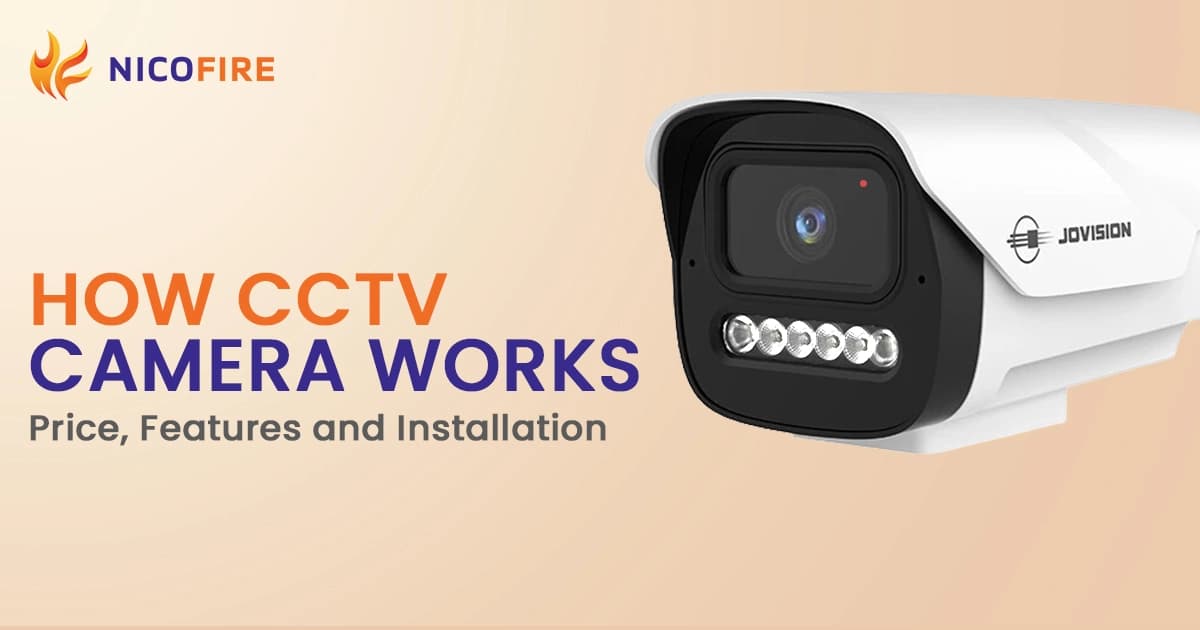
The CCTV camera is the most important part of the entire system. It is the device that records video of the area you want to monitor. A CCTV camera has two main parts: the lens and the image sensor. The lens collects light from the surroundings and sends it to the image sensor. The image sensor then changes this light into video signals, which create the picture you see on the screen.
Different CCTV cameras come with different types of lenses. Some lenses cover a wide area, which is useful for shops or open spaces, while others focus on a smaller area to show more details. In Nepal, many CCTV cameras include night vision and weather-resistant features because they are often installed outdoors. A good-quality camera helps capture clear video, which is very important for safety and identification.
2. DVR or NVR
A DVR (Digital Video Recorder) or NVR (Network Video Recorder) is the device that receives video from CCTV cameras and manages it. DVRs are usually used with traditional wired cameras, while NVRs are used with internet-based or IP cameras. Both devices play an important role in running the CCTV system.
These recording devices change video signals into digital format and store them properly. They also allow users to watch live video, play recorded footage, and search videos by date and time. In many homes, offices, and businesses in Nepal, the DVR or NVR acts as the main control center of the CCTV system, making it easy to manage all connected cameras from one place.
3. Storage device
The storage device is used to save CCTV video recordings so they can be viewed later. Most CCTV systems use a hard drive inside the DVR or NVR to store footage. Some modern systems also support cloud storage or external hard drives for extra space and safety. The size of the storage device decides how long the video can be saved before it gets deleted automatically. In Nepal, people usually choose storage based on how many cameras they have and how many days they want to keep the recordings. Having reliable storage is important because it keeps important video safe and allows users to check footage whenever needed.
4. Monitor and power supply
The monitor is used to display live and recorded CCTV footage. It can be a separate monitor, a computer screen, or a television. Many modern CCTV systems also allow viewing through mobile phones and laptops using special apps, making monitoring easier and more flexible.
The power supply keeps the CCTV system running all the time. CCTV cameras need constant power to work properly. In Nepal, where power cuts can happen, many users install backup options like UPS or inverters. These backups help the CCTV system continue working even when electricity is not available, ensuring nonstop security.
How CCTV Camera Works (Step-by-Step)
1. Capturing the video image
The CCTV camera starts working by capturing video from the area it is watching. When light enters the camera lens, it goes directly to the image sensor inside the camera. The image sensor changes this light into electronic signals, which then become a video image. This process happens all the time, allowing the camera to record moving video continuously. The clarity of the image depends on lighting, camera quality, and the type of lens used. In Nepal, CCTV cameras with infrared and low-light features are very popular because they work well at night and during low-power or poor lighting conditions.
2. Processing the video signal
After the video image is captured, the camera processes the video signal inside the camera. During this step, the camera adjusts brightness, colors, and sharpness so the video looks clear and easy to see. The camera also reduces the size of the video file so it takes up less storage space. This makes it easier to save and transfer video without losing much quality. Good video processing helps the CCTV system run smoothly, even when many cameras are connected at the same time.
3. Transmitting video data
Once the video is processed, the camera sends the video data to the recording device. In wired CCTV systems, this is done using cables such as coaxial or Ethernet cables. In wireless or IP camera systems, the video is sent through a network or internet connection. In Nepal, wired CCTV systems are still widely used because they are stable and reliable. However, internet-based CCTV systems are becoming more popular. Proper video transmission is important for live viewing and continuous recording without interruptions.
4. Recording and storing footage
After transmission, the video reaches the DVR or NVR, where it is recorded and saved. Users can choose how the system records video, such as recording all the time or only when motion is detected. Saved video footage can be watched later if needed. This is useful for checking incidents or collecting evidence. Many users in Nepal prefer motion-based recording because it saves storage space while still keeping important footage safe.
5. Live monitoring and playback
Live monitoring allows users to watch what is happening in real time on a monitor, mobile phone, or computer. Playback features make it easy to find and watch old recordings by selecting the date and time. This is very helpful for homeowners and business owners who need quick access to video footage. With internet-connected CCTV systems, users in Nepal can monitor their property from anywhere, giving them better control and peace of mind.
Benefits of CCTV Cameras
1. Security and surveillance
CCTV cameras help improve security by watching activities all the time. They allow people to see what is happening in their home or workplace and feel more safe and confident. Continuous monitoring helps detect unusual or suspicious activities quickly, so action can be taken before problems increase. In Nepal, CCTV cameras are commonly used in shops, offices, apartments, and houses to improve safety. They work like an extra pair of eyes that never gets tired. By keeping a close watch on surroundings, CCTV cameras help reduce security risks and give better control over people and property.
2. Crime prevention
CCTV cameras play an important role in preventing crime. When cameras are clearly visible, people are less likely to steal or damage property because they know they are being recorded. This helps reduce crimes such as theft, break-ins, and vandalism. Many businesses and homeowners in Nepal install CCTV cameras mainly to stop criminal activities before they happen. Because CCTV cameras help prevent problems, they save money in the long run and act as a cost-effective security solution for both small and large properties.
3. Evidence recording
Another major benefit of CCTV cameras is video recording. CCTV systems save video footage that can be checked later if any incident occurs. This footage can help identify people involved and show exactly what happened. Recorded videos are useful for solving disputes, supporting police investigations, and handling legal cases. Clear CCTV recordings help authorities and property owners understand situations correctly. Because of this, CCTV cameras are very useful for both personal safety and business security.
Conclusion
CCTV cameras work by recording video through a camera lens, sending the video to a recording device, and saving it so it can be watched live or checked later. Every part of the CCTV system has an important role in keeping the video clear and the system working properly. When people in Nepal understand how CCTV cameras work, it becomes easier to choose the right system and use it correctly. Whether used at home or for business, CCTV cameras are a reliable and practical way to improve safety and protect property.
Frequently Asked Questions
A CCTV camera records video through a camera lens and sends it to a DVR or NVR for storage. The footage can be watched live or checked later when needed.
Yes, CCTV cameras can work without internet. They record video on a hard drive or DVR. Internet is only required for remote viewing on mobile phones.
The price of a CCTV camera in Nepal usually starts from NPR 2,000 and can go up to NPR 10,000 or more per camera. The total cost depends on camera type, brand, storage size, and installation charges.
CCTV footage is usually stored from a few days to several weeks. Storage time depends on hard drive size, number of cameras, and recording settings.
Yes, most CCTV cameras can record at night using night vision or infrared light. These cameras work well even in low or no light.
Yes, modern CCTV systems allow live and recorded viewing on mobile phones using apps, as long as the system is connected to the internet.
Comments
No comments yet.
Be the first to share your thoughts.