

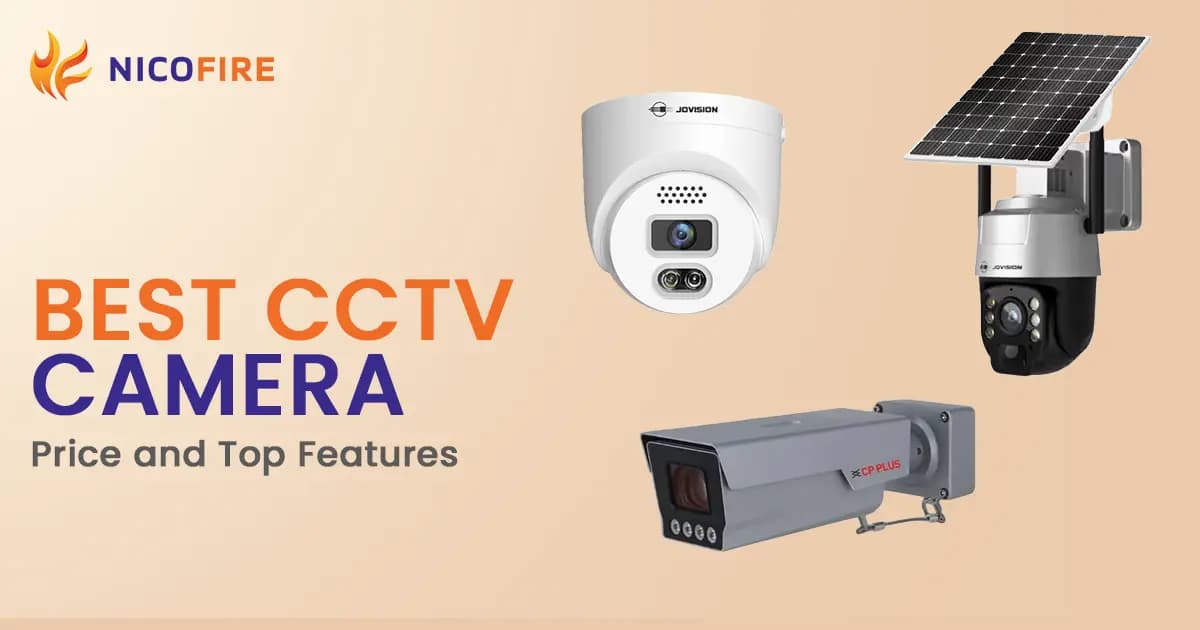
Home security is becoming more important for Nepali families as cities grow, more houses are built, and neighborhoods become busier. A CCTV camera system helps you monitor your home, protect your belongings, and stay aware of what is happening even when you are away.
With many types of CCTV cameras available in Nepal, choosing the right one can be confusing. In this guide, you will learn the key things you need to know to choose the best CCTV camera for your home with confidence.
Table of Contents
Why Home Security Is Becoming Important in Nepal
Cities like Kathmandu, Lalitpur, Bhaktapur, Pokhara and Chitwan are growing quickly, and more people are living close together. With this increase, cases of theft, break-ins and suspicious activity are also rising. Many families are busy with work or travel, so they cannot be home all the time. A CCTV camera helps by acting like a security guard that never sleeps. It watches your gate, parking area and doorway day and night. You can open an app on your phone and instantly see what is happening at home, no matter where you are. Because CCTV cameras make monitoring so easy, they have become an important part of everyday home safety in Nepal.
Essential Features to Look For in a Home CCTV Camera
When choosing a CCTV camera for your home in Nepal, it’s important to understand the features that actually make a difference in daily security. A good camera should give clear images, work properly at night, store your recordings safely, connect without problems and last long in Nepal’s changing weather. By knowing how each feature works, you can select a CCTV camera that fits your home, your budget and your security needs.
1. Video Quality
Video quality determines how clearly your CCTV camera records everything around your home. A 1080p camera is good for normal use, but many families now choose 2K or even 4K cameras because they show much sharper details. Higher-resolution cameras help you see small things like someone’s face, a vehicle’s number plate or movements happening far from the camera. This is especially useful for houses with a large outdoor area, a long driveway or a front gate that is close to the street. Clear video also becomes very important if you ever need to share footage with the police or community for safety reasons. The clearer the footage, the more helpful it will be.
2. Night Vision
Strong night vision is one of the most important features in a home CCTV camera because many security incidents happen after dark. Modern cameras use Infrared LEDs or White LEDs that allow them to “see” clearly even when there is no light outside. With good night vision, you can identify faces, clothes, movements or unusual activity happening around your gate, rooftop or parking area at night. In Nepal, many neighborhoods do not have bright or stable street lights, so night vision becomes even more important. It ensures that your camera keeps protecting your home 24 hours a day, not only during the day.
3. Storage Options
Storage decides where your CCTV footage is saved and how easily you can access it later. SD card storage is very simple and budget-friendly. You just insert a memory card and the camera will automatically save the videos. However, SD cards can get full or damaged over time. Cloud storage is safer because your videos are stored online, so even if the camera is stolen, damaged or broken, your recordings remain safe in the cloud. You can watch past footage anytime from your mobile app. Cloud storage is very useful for families who travel often or want long-term security records. It may cost more, but it offers stronger protection for your video files.
4. Connectivity
Connectivity decides how your CCTV sends video to your phone. Wireless WiFi cameras are easy to set up because they do not require wires. You can install them yourself within minutes, making them great for tenants, small homes and people who want quick installation. However, WiFi cameras depend on a strong internet connection. If your WiFi is weak, the video may lag. Wired cameras use an RJ45 network cable and provide a very stable and reliable connection. They are more suited for larger houses, outdoor coverage, or areas where WiFi doesn’t reach properly. The right choice depends on your home layout, internet quality and installation preference.
5. Two-Way Audio
Two-way audio allows you to talk and listen through the CCTV camera using your smartphone. This feature is extremely useful for Nepali families because it allows you to speak to visitors at the gate, guide delivery persons, check on children or pets inside the house and even warn suspicious strangers to stay away. It gives you the ability to respond immediately without needing to come outside. Two-way audio is especially helpful for households with elderly people, working parents or families who want both sound and video monitoring for better safety.
6. Weatherproofing
Outdoor CCTV cameras in Nepal must be able to withstand different weather conditions like heavy rain, dust, strong sunlight and winter cold. Cameras with IP66 waterproof and dustproof ratings are designed to survive all these conditions without getting damaged. A weatherproof camera keeps working reliably throughout the year, reducing the need for repairs or replacements. This makes it ideal for areas like front gates, boundary walls, rooftops and parking spaces. When a camera is built to last, you get long-term safety and peace of mind.
7. Remote Access
Remote access lets you check your camera anytime through a mobile app. Whether you are at your office, traveling to another city or simply away from home, you can open the app and instantly see your home in real time. Many cameras also send notifications when motion is detected, so you can quickly check what triggered the alert. Apps like iCSee allow you to watch live footage, replay recordings and even communicate through the camera. This feature helps you stay connected to your home at all times, even when you are far away.
8. Power Options
CCTV cameras can be battery-powered or wired. Battery-powered cameras are very flexible because you can place them anywhere, even where there is no power outlet. However, you must check the battery life and recharge them when needed. Wired cameras are plugged into a power source, so they work continuously without interruptions. They are more suitable for long-term outdoor monitoring or important areas like gates and main entrances. Choosing the right power option ensures that your CCTV camera always stays active and your home remains protected every hour of the day.
Understanding Different Types of Home CCTV Systems
There are several types of CCTV systems used in Nepali homes, and each one is made for different needs. Some cameras are very easy to install, some are better for big houses and some are made for large open areas. When you understand how each type of camera works, it becomes much easier to choose the right one for your home. This helps you make a good decision and build a security setup that protects your family every day.
1. Wireless IP Cameras
Wireless IP cameras are very easy to use because they connect to your home WiFi. You do not need long cables or heavy wiring. This makes installation simple for anyone, even if you have never used a CCTV camera before. You can place these cameras in any room where the WiFi signal is strong. They are great for rented homes, small flats and people who want a clean and quick setup. You can watch the live video from your phone, get alerts when the camera sees movement and even talk through the camera if it has a microphone. These cameras are very useful for indoor areas like living rooms, bedrooms, hallways and staircases. You can also move them easily from one place to another when needed.
2. Wired Analog Systems
Wired analog CCTV systems use cables to send video from the camera to the DVR. Because of this, the video is very stable and does not get affected by weak WiFi. These systems are good for bigger houses, multi-floor homes or places where the internet connection is not strong everywhere. The installation takes more time because the cables must be placed properly, but once everything is set up, the system works smoothly day and night. Wired systems can support many cameras at the same time, so they are perfect for covering gates, rooftops, parking areas, storerooms and boundary walls. People who want a strong and reliable long-term CCTV system usually choose wired analog setups.
3. Indoor and Outdoor Cameras
Indoor and outdoor cameras are made differently because they are used in different parts of the home. Indoor cameras are small and lightweight. They are made for watching inside the house, like children’s rooms, living rooms, kitchens or hallways. They often have two-way audio so you can talk and listen through your phone. Outdoor cameras are stronger because they must face Nepal’s weather, like rain, dust, sunlight and strong wind. They also have better night vision and a wider viewing area so they can cover spaces like terraces, gates, gardens and parking spots. Outdoor cameras usually come with waterproof ratings so they keep working in all seasons. Using the correct type of camera in the correct place helps protect your whole home properly.
4. PTZ Cameras
PTZ (Pan-Tilt-Zoom) cameras can move in many directions. They can turn left or right, move up or down and zoom in to see things clearly. This makes them very useful for large open spaces like big gardens, long driveways, rooftops and building entrances. One PTZ camera can cover a large area that normally needs several fixed cameras. When the camera sees someone moving, it can follow them automatically. You can also control the camera from your phone and point it exactly where you want to look. PTZ cameras give you a wide and powerful view, which helps you keep your outdoor areas safe with fewer cameras.
Top CCTV Camera Picks for Homes in Nepal
Choosing the right CCTV camera depends on where you want to place it and what kind of security you need. Some cameras are best for outdoor use, some work well inside the house, and some connect with smart home devices for more convenience. Understanding these options helps you select a camera that fits your home and gives you the best protection.
1. Outdoor Security Cameras
Outdoor areas like gates, parking spots, balconies and boundary walls need strong and durable cameras. These cameras should have a solid, weatherproof body so they can handle Nepal’s rain, dust, heat and cold. Look for cameras that have an IP66 rating or higher because they can survive harsh outdoor conditions. Outdoor cameras should also have a wide viewing angle so they can cover large spaces easily. Strong night vision and motion detection are very important because most outdoor activity happens at night or when the house is quiet. Many outdoor models also send instant alerts to your phone when they detect anything unusual. These features make outdoor security cameras reliable for protecting the outer parts of your home.
2. Indoor Security Cameras
Indoor cameras are designed to stay inside your home and blend nicely with the interior. They are smaller, simpler to install and often look modern and clean. Many indoor cameras come with two-way audio, which allows you to talk and listen through the camera. This is helpful for checking on children, elderly family members or pets when you are not at home. They also have good video quality, motion detection and mobile app access so you can watch your rooms anytime. Indoor cameras are perfect for living rooms, bedrooms, hallways and study rooms, giving you 24-hour visibility inside your home.
3. Smart Home Cameras
Smart home cameras are a great choice if you use devices like Alexa, Google Assistant or other smart home systems. These cameras connect directly to your smart home setup and allow you to control them with simple voice commands. You can say things like “Show camera on TV” or “Turn on recording” and the camera will follow. Smart cameras can also work automatically. For example, they can start recording when you leave home or send alerts when they detect movement. They are perfect for homeowners who want both convenience and high-tech features.
4. Where to Buy CCTV Cameras in Nepal
You can buy CCTV cameras from many places in Nepal, but it is important to choose a trusted seller. Authorized dealer like nicofire often provide original products, proper warranties and good customer support. You can also buy from well-known online platforms or local electronics shops. Before buying, check if the seller offers installation help, after-sales service and easy replacement options in case something goes wrong. Choosing a reliable seller ensures you get a genuine CCTV camera that will last long and work properly for your home security.
Navigating CCTV Camera Prices in Nepal
Understanding CCTV prices in Nepal makes it easier to choose a camera that fits both your budget and your home’s security needs. The price of a CCTV camera depends on features like video quality, night vision, brand reputation, build strength, and whether the camera has smart options like cloud storage or PTZ movement. Cameras with advanced technology naturally cost more, while basic models are more affordable and suitable for simple monitoring. Knowing what affects the price helps you compare options and choose the best value for your home.
Factors That Affect CCTV Prices
Several factors influence CCTV camera prices in Nepal. Higher video resolution, such as 2K or 4K, usually increases the cost because it provides clearer and sharper footage. Well-known brands also tend to cost more due to better reliability and customer support. Cameras with strong night vision, weatherproof bodies, wider viewing angles or smart features like two-way audio will be priced higher. Installation type also matters. Wireless cameras are easy to set up and cost less for installation, while wired systems may require professional help, which adds to the overall cost. PTZ cameras, cloud storage support and smart home integration can also raise the price because these features offer more control and convenience.
Typical Price Ranges in Nepal
CCTV cameras in Nepal fall into three main price categories. Each range offers different features and benefits.
Entry-Level Cameras (Rs. 2,999 – Rs. 4,999): These are basic and budget-friendly cameras designed for simple indoor monitoring. They usually provide 1080p video, basic night vision and SD card recording. They are easy to install and suitable for small rooms, rented flats or families looking for a simple security solution.
Mid-Range Cameras (Rs. 5,000 – Rs. 12,000): Mid-range models offer clearer video, stronger night vision, better weather protection and more stable performance. Many cameras in this range work well both indoors and outdoors. They often include improved motion detection, better app control and stronger build quality, making them ideal for most Nepali households.
Premium Cameras (Rs. 12,000 – Rs. 25,000+): Premium CCTV cameras come with advanced features like 2K/4K video resolution, PTZ movement, smart home support, cloud storage and color night vision. They have durable weatherproof bodies suitable for outdoor areas. These cameras give the highest clarity, wider coverage and long-lasting protection, especially for gates, parking spaces, rooftops and large properties.
Value for Money
At around Rs. 2,999, you can expect a basic wireless CCTV camera with 1080p video and simple night vision, which is suitable for light indoor use. When you move to around Rs. 7,499, the performance improves with stronger night vision, better build quality and smoother mobile app features that make monitoring easier. If you choose a higher budget, you get top-quality cameras with 2K or 4K clarity, smart alerts, PTZ movement and durable outdoor design, giving your home long-lasting and reliable protection.
Installation and Setup Options in Nepal
Setting up a CCTV camera at home can be easy or a little difficult depending on the type of camera you choose. Some cameras are made for simple installation and can be set up by anyone, while other systems need a technician to install them properly. Knowing the difference helps you choose the best option for your home.
1. DIY Setup for Wireless Cameras
Wireless cameras are the easiest type of CCTV to install. You do not need to handle long wires or do any heavy work. You just place the camera on a wall or table, connect it to your home WiFi and follow the steps on the mobile app. The app shows you what to do, so even beginners can finish the setup in a few minutes. Because they are so simple, wireless cameras are great for rented homes, small apartments or for people who want a quick and clean setup without calling a technician. You can also move the camera easily from one place to another if needed. This makes DIY installation very flexible and convenient for many Nepali households.
2. Professional Setup for Wired Systems
Wired CCTV systems need more work because they use cables to connect each camera to the recorder. These cables must be placed properly inside walls or across ceilings, so it is better to hire a trained technician. A professional installer knows how to set the camera angle correctly so it covers the important areas like your main gate, parking area, rooftop or stairs. They also make sure the wires are neatly arranged and the system works smoothly without problems. Professional installation is the best choice for big houses, multi-floor homes or places that need many cameras. It gives you a neat setup and strong performance that lasts for many years.
3. Finding Good Installers in Nepal
To get the best results, it is important to choose a good and trusted installer. Look for technicians who have experience and positive customer reviews. Many authorized CCTV shops and dealers in Nepal also offer installation and support services, which makes things easier for homeowners. A reliable installer will help you with setup, answer your questions and fix any issues if they appear later. Choosing a trusted service provider gives you peace of mind because you know your CCTV system is set up correctly and will protect your home properly.
CCTV Warranty, Service and Data Protection
When buying a CCTV camera for your home, it is important to think not only about features but also about warranty, customer support and how your video data is stored. These things help you use your CCTV system smoothly for a long time and keep your footage safe. Good support and proper data protection make your security system more reliable and worry-free.
1. Why Warranty and Support Matter
A good warranty protects you if your CCTV camera stops working, has any defect or faces technical problems. With a strong warranty, you can get repair or replacement without extra cost. This is very important because CCTV cameras run 24 hours a day and sometimes small issues can appear. Good customer support also makes a big difference. If your camera is not connecting to the app, is not recording properly or is showing an error, you can contact support and get quick help. This saves time and reduces frustration, especially for people who are using CCTV for the first time.
2. Questions to Ask Before You Buy
Before buying a CCTV camera in Nepal, it is helpful to ask a few simple questions. Ask if the seller provides installation help, what their replacement policy is and how long the warranty covers your device. You should also check if they have a service center in Nepal and how long repairs usually take. Some sellers offer quick service, while others may take longer. These details are important because you want your CCTV system to work without long breaks. Choosing a seller with good after-sales service ensures your camera stays useful for many years.
3. Keeping Your Data Safe with Cloud Storage
If your CCTV camera uses cloud storage, it means your videos are saved online instead of only on an SD card. This is safer because even if your camera is damaged or stolen, your footage remains protected in the cloud. However, it is important to make sure the cloud service follows proper security rules and keeps your data safe from unauthorized access. Understanding how your videos are stored and who can access them helps you follow Nepal’s privacy expectations and keeps your personal footage secure. Using a trusted cloud service gives you extra peace of mind and better protection for your home recordings.
Making the Right Choice
Choosing the right CCTV system for your home becomes much easier when you understand what your house really needs. Every home has different weak spots, different routines and different security priorities. By checking a few simple points, you can select a CCTV setup that gives you strong protection, fits your daily life and stays useful for many years.
1. Know Your Needs
Take a slow walk around your home and notice the areas that are more open or easy for someone to enter. Look at the main gate, windows, balconies, staircases, backyards, rooftops and parking areas. These places usually need more attention because they are the first spots a stranger may approach. Understanding these weak points helps you decide how many cameras you need and exactly where to place them. When you study your home like this, you avoid mistakes like installing a camera too high, too low or in a place that misses important activity. This step helps you create a CCTV system that watches over your home properly and does not leave blind spots.
2. Choose Key Features
After you understand your home’s needs, think about which features will help you the most in your everyday life. If you want to check on children, elderly parents or pets, a camera with two-way audio lets you talk and listen through your phone. If your outdoor areas are dark at night, strong night vision or infrared lighting becomes very important so you can still see clearly. If you travel often or work long hours, remote viewing helps you check your home anytime, even if you are far away. Some people want motion alerts so they can get a quick notification when someone enters their gate. Others prefer wide-angle cameras to cover larger spaces. By choosing features that support your lifestyle, you get a CCTV system that is actually useful, not just something sitting on the wall.
3. Set a Budget
Planning a budget for your CCTV system is important because the cost is not only for the camera. You may also need to think about installation charges, memory cards, cloud storage or the cost of adding more cameras later. A good CCTV system should last several years, so spending a little more for better quality can save you money in the long run. Think about how much protection you want and compare it with what you can comfortably spend. A realistic budget helps you choose a camera that fits your needs without giving up important features. This way, you get both safety and value from your investment.
4. Plan for Growth
Your home and your needs may change over time. You might build a new room, extend your balcony, buy a vehicle that needs monitoring or simply want to add more security in the future. For this reason, it is smart to choose a CCTV system that allows easy expansion. A scalable system lets you add more cameras without replacing the entire setup. This saves time, money and effort later. When your CCTV system can grow with your home, you stay protected no matter how your lifestyle changes. It also ensures that your camera system remains useful for many years and does not become outdated quickly.
Conclusion
A good CCTV system helps keep your home safe and makes you feel relaxed because you can always see what is happening around your house. When you know simple things like how clear the video should be, how the camera shows the video on your phone, where the recordings are saved, and the best places to put the cameras, choosing the right system becomes very easy. CCTV cameras are not only for stopping bad activities. They also help you watch your family, check important areas like your gate or door, and save clear videos if something unusual happens. When you pick the right CCTV system today, your home stays protected and your family enjoys safety and comfort for a long time.
Frequently Asked Questions
The best CCTV camera depends on your needs, but most Nepali homes prefer wireless IP cameras with 1080p or 2K video, night vision and mobile app support because they are easy to use and install.
You need WiFi for wireless cameras because they connect through the internet and allow remote viewing. Wired cameras do not need WiFi but require cable installation.
Yes, CCTV cameras can work during power cuts if you use an inverter, UPS or power backup. Battery-powered cameras also keep recording even when electricity is off.
Indoor cameras are smaller and designed for inside rooms, while outdoor cameras are weatherproof, stronger and have better night vision to handle rain, dust and sunlight.
Most homes need at least 2 to 4 cameras: one for the gate, one for the parking area, one for the rooftop or backyard and one inside the living area. The number depends on your home size.
Many modern cameras have two-way audio, which means they can record sound and allow you to talk through the camera. Some models only record video, so always check the features before buying.
Storage time depends on your SD card size or cloud plan. Most home cameras can store 7 to 30 days of footage before overwriting old recordings.
Yes, most modern CCTV cameras have infrared night vision that lets them record clearly even in complete darkness.
Comments
No comments yet.
Be the first to share your thoughts.