

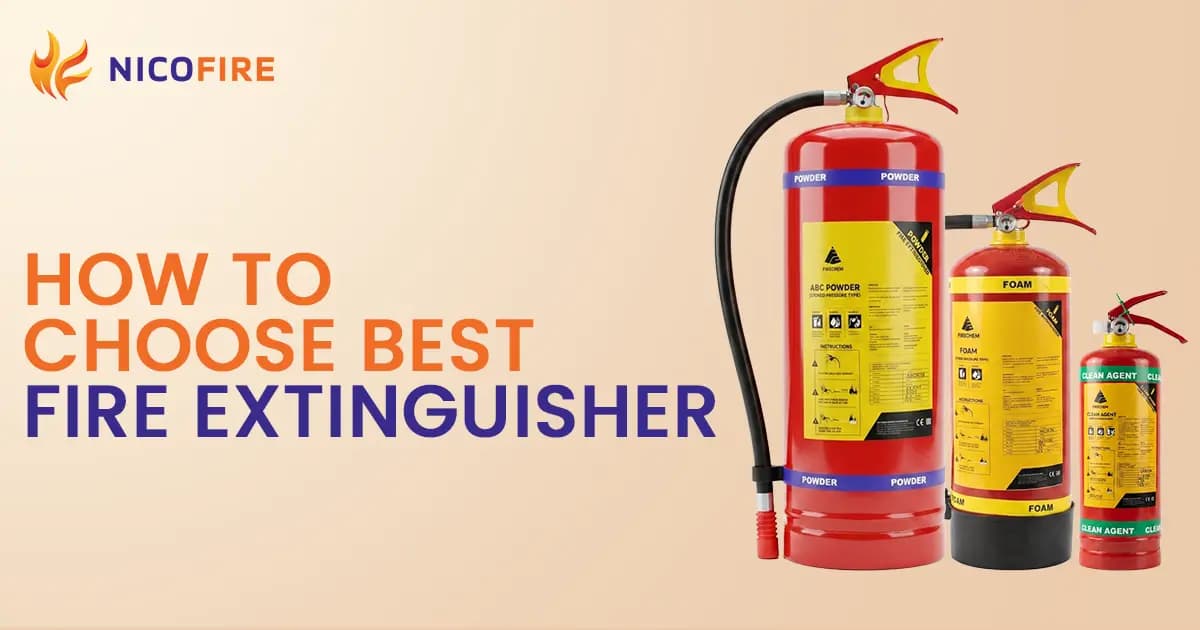
Every home in Nepal can face fire risks, even when we try to be careful. A small mistake while cooking, an unnoticed spark from an electrical socket, or a gas leak can turn into a fire within seconds. Because of this, having the right fire extinguisher at home is very important for your family’s safety. A fire extinguisher gives you the ability to act immediately before the fire grows bigger. When you understand which extinguisher to choose and how it works, you can respond confidently during emergencies. This simple tool can stop a small flame from becoming a large, dangerous fire that damages your home and puts lives at risk.
Table of Contents
The Critical Role of a Home Fire Extinguisher
A home fire extinguisher works as your first line of defense when a fire starts. If you use it early, it can prevent the fire from spreading and becoming uncontrollable. This early action can save valuable time, allowing your family to move to safety and giving you a chance to call for help. Many major fire accidents begin as small flames that could have been easily controlled if an extinguisher was available. Having an extinguisher at home also gives you a sense of security. You feel prepared, calm, and confident knowing that you have a reliable tool that can protect your loved ones during unexpected emergencies. A simple and affordable extinguisher can make a very big difference when every second matters.
Understanding Fire and Why It Happens
How Fire Starts
A fire begins when three things come together: fuel, heat, and oxygen. Fuel is anything that can burn, such as wood, paper, cloth, cooking oil, or plastic. Heat is the spark or temperature that makes the fuel catch fire, and oxygen comes from the air around us and helps the fire grow. When these three elements meet, a fire can start quickly and spread faster than many people expect. This is why even a small mistake like forgetting oil on the stove or ignoring a damaged electrical wire can turn into a serious problem within seconds.
The useful part of understanding the fire triangle is knowing that a fire becomes weak or stops when one of these three elements is removed. Fire extinguishers are made based on this idea. Some types cool the fire to remove heat, others block the oxygen, and some cover the fuel so it cannot burn anymore. When you know how fires behave, it becomes easier to choose the right extinguisher and understand how it helps protect your home.
Understanding Fire Types in Your Home
Not all fires behave the same, so experts divide them into groups called fire classes. Class A fires involve common items like wood, cloth, and paper, which are found in almost every home. Class B fires involve flammable liquids such as petrol, kerosene, and paint thinner, which burn very fast. Class C fires come from electrical problems like short circuits, appliances, and wires, and using water on these fires can be dangerous. Class K fires happen in kitchens when cooking oil or grease overheats, and these fires become very intense if water is thrown on them.
Knowing the fire types in your home helps you select the right fire extinguisher for each area. For example, an ABC extinguisher is good for general household protection because it covers most fire classes. A Class K extinguisher is the safest choice for kitchens where oil fires can happen. When you understand these classes, you can make smarter safety choices and stay prepared for different fire situations that may occur in your home.
Types of Fire Extinguishers
ABC Dry Chemical Extinguishers
ABC dry chemical extinguishers are the most useful and popular fire extinguishers for homes in Nepal because one extinguisher can handle many kinds of fires. They can stop fires that start from burning things like wood and paper, fires from petrol or other liquids, and even fires caused by electrical problems. Inside this extinguisher, there is a fine powder that covers the fire and blocks the air it needs to grow. The powder also helps cool the fire so the flames become weak and stop spreading. This makes ABC extinguishers helpful in many common home situations, such as a spark from a switchboard, a burning piece of cloth, or a small fuel spill. They are easy to use, not very expensive, and do not require much care. Keeping an ABC extinguisher in important places like the kitchen, living room, or near your electrical panel gives your home strong, all-around fire protection.
Water Extinguishers
Water extinguishers are best for stopping fires that come from household materials like paper, cloth, wood, and furniture. They work by cooling the fire and lowering the heat that keeps it burning. Water mist extinguishers are even safer because they spray very tiny water droplets that help slow the fire down while also reducing the amount of air the fire gets. This makes them safe to use even in areas where there may be some electrical items around. These extinguishers are great for bedrooms, hallways, and living areas where the chance of an electrical fire is low. Many people like water-type extinguishers because they are simple, clean, and easy to understand. They are a good choice for families who want a safe and basic fire protection option for everyday household areas.
Carbon Dioxide (CO2) Extinguishers
CO2 Fire Extinguishers are very good for fires that start from electrical appliances or small amounts of flammable liquid. They work by pushing carbon dioxide gas onto the fire. This gas removes the oxygen around the flame, and without oxygen, the fire cannot stay alive. One big advantage of CO2 extinguishers is that they leave no powder, water, or marks behind. This makes them perfect for places with computers, televisions, printers, Wi-Fi routers, and other electronics. They quickly stop the fire while keeping your devices safe. However, CO2 extinguishers are not very strong on fires that involve wood, cloth, or paper because the heat may stay, and the fire can start again once the gas clears. For this reason, many homes use CO2 extinguishers along with an ABC extinguisher for complete safety.
Wet Chemical Extinguishers
Wet chemical extinguishers are made especially for kitchen fires caused by hot cooking oil, ghee, or grease. These types of fires are very dangerous because they become extremely hot and can grow quickly if the wrong method is used to stop them. When you spray a wet chemical extinguisher, it gently cools the burning oil and creates a thick layer that covers the oil. This layer stops the fire from coming back. Because oil fires react badly to water and can suddenly burst if water is added, wet chemical extinguishers are the safest and most effective option for kitchens. They are highly useful for families that cook every day, especially those who fry food often. Keeping one near your stove helps you control sudden kitchen fires and protect your home from major accidents.
Extinguishers for Lithium-ion Battery Fires
Lithium-ion battery fires are becoming more common as people use more phones, laptops, smart devices, electric scooters, solar batteries, and power banks. These fires are different from normal fires because the battery can stay hot inside and keep burning even after the outside flame looks small. The safest way to stop these fires is to use a special extinguisher that is made for lithium battery fires. These extinguishers help cool the battery and stop the chemical reaction happening inside. If you do not have this special extinguisher, covering the burning device with sand can help slow the fire. Understanding how lithium battery fires behave is important for modern home safety because many Nepali homes now use rechargeable gadgets every day.
How to Choose the Right Fire Extinguisher
Step 1: Understand the Fire Risks in Your Home
The first step is to walk around your home and look for places where a fire can start. The kitchen is the most common area because it has cooking oil, gas, hot pans, and open flames that can burn very fast if something goes wrong. After the kitchen, look at the rooms where you use many electrical items such as computers, TVs, heaters, inverters, chargers, and switchboards. These things can create sparks if they get too hot or if their wires are damaged. Also check your garage, store room, or balcony where you may keep petrol, paint, gas cylinders, or other things that burn easily. Think about where your children play and where you keep your daily-use gadgets. By looking at all these simple things, you can understand which parts of your home have a higher chance of fire. This will help you choose the right fire extinguisher for each place so your home becomes safer.
Step 2: Pick the Right Type, Size, and Number of Fire Extinguishers
After you know the risky areas, you can choose the correct fire extinguisher for your home. For most rooms, an ABC extinguisher is the best choice because it can stop many types of fires that happen in normal houses. But in the kitchen, it is safer to have a Class K extinguisher because it is made to stop cooking fires that come from hot oil and grease. For rooms that have many electronics like your home office or TV room, a CO2 extinguisher is good because it stops electrical fires without leaving any powder or water behind. You also need to choose the right size of extinguisher. Small rooms can use a 1 kg or 2 kg extinguisher, but big rooms or bigger homes may need a 4 kg or 6 kg extinguisher. It is also a good idea to keep more than one extinguisher in the house so you can reach one quickly when there is a small fire. Having extinguishers in different places helps you act fast before the fire becomes too big.
Step 3: Make Sure the Extinguisher Is Safe and Good Quality
When buying a fire extinguisher, always choose one that is safe and tested properly. Look for safety marks like Nepal Standards (NS), ISO, or similar signs that show the extinguisher is made correctly and is safe to use. These marks tell you that the extinguisher has the right pressure, the correct amount of firefighting material inside, and parts that work well. A good-quality extinguisher works smoothly and sprays properly when you need it, which is very important when a fire starts. High-quality extinguishers also last longer and stay strong when you check them from time to time. Buying a certified and safe extinguisher from nicofire gives you peace of mind because you know it will work well in a real emergency and help protect your family and home.
Important Things to Check When Choosing a Fire Extinguisher
Understanding the Fire Extinguisher Label
Every fire extinguisher has a label that tells you exactly what kind of fire it can stop, so it is very important to learn how to read it. On this label, you will see letters like A, B, C, or K, and each letter stands for a different type of fire. For example, A means the extinguisher can stop fires from wood, paper, and cloth. B means it can stop fires from liquids like petrol or kerosene. C means it can stop electrical fires, and K means it is safe for cooking oil fires in the kitchen. The label also shows the size of the extinguisher, the manufacturing date, and the amount of material inside. When you understand these simple symbols and information, you will not panic during an emergency. You can quickly grab the right extinguisher and use it safely. This is why learning to read the label is one of the most important parts of fire safety at home.
Checking the Pressure Gauge
Most fire extinguishers have a round meter called a pressure gauge, and this small meter tells you whether the extinguisher is ready to use. The gauge has three colors. When the needle is in the green zone, it means the extinguisher has the right amount of pressure and will work properly. If the needle moves to the yellow zone, the pressure is low, and the extinguisher may not spray well. If it moves to the red zone, the pressure is too high and unsafe. By checking this gauge once every month, you can make sure your extinguisher is always ready for an emergency. It only takes a few seconds to look at the needle, but this simple habit can save lives. Many people ignore the pressure gauge and only realize during a fire that their extinguisher is not working. Regular checking helps you avoid such dangerous situations and keeps your home prepared.
Tamper Seal and Discharge Time
A fire extinguisher comes with a small plastic strip called a tamper seal. This seal shows that the extinguisher has not been used before. If the seal is broken, loose, or missing, it may mean that someone used the extinguisher or pulled the pin. In that case, it may not work properly when you need it, so it is important to replace or refill it. Another important thing is the discharge time, which tells you how long the extinguisher will spray once you press the handle. Most home fire extinguishers spray for about 10 to 20 seconds. This may sound short, but it is enough to stop small fires if you aim correctly at the base of the flames. Knowing the discharge time helps you stay calm during an emergency because you know how much time you have to act. This knowledge prevents panic and helps you use the extinguisher in a steady and safe way.
Knowing the Main Parts of a Fire Extinguisher
A fire extinguisher has a few simple parts, and learning these parts makes it much easier to use during a fire. The pin is a small metal piece you must pull out before spraying. The handle is what you squeeze to release the extinguishing material. The nozzle is the part that points towards the fire, and it releases the spray. The pressure gauge shows whether the extinguisher is ready, and the cylinder holds the material inside. When you take a moment to understand these parts, you become more confident and prepared. During a fire, people often panic because they do not know how the extinguisher works. But when you already know where the pin, handle, and nozzle are, you can act quickly, save time, and control the fire before it grows. Knowing these parts is an easy but powerful step toward better home safety.
What to Do After Buying a Fire Extinguisher
Strategic Placement for Maximum Safety
After buying a fire extinguisher, the most important step is to place it in a spot where you can reach it quickly during an emergency. Good places include near the kitchen door, close to home entrances, beside electrical boards, and in hallways where people move often. These locations allow you to grab the extinguisher fast without running into danger. You should never place the extinguisher too close to the stove or inside a high-risk area because you may not be able to reach it safely if a fire starts right in that spot. The main goal is to keep yourself safe while still being able to use the extinguisher on time. When fire extinguishers are placed in open, visible, and easy-to-reach areas, your chances of stopping a small fire before it grows much bigger increase greatly.
Regular Checks and Simple Maintenance
To make sure your fire extinguisher works when you need it, you should check it once every month. Look at the pressure gauge to make sure the needle is in the green zone. Check that the tamper seal is not broken and that the body of the extinguisher has no dents, rust, or cracks. Make sure the nozzle is clean and not blocked. These checks take only a few minutes but are extremely important. It is also a good idea to get your extinguisher serviced by a professional once every year. A trained technician will inspect the inside, refill it if needed, and confirm that the extinguisher is safe and ready for emergencies. Regular maintenance keeps the extinguisher reliable and gives you peace of mind knowing it will work properly during a fire.
Understanding Lifespan and Safe Disposal
Most home fire extinguishers last between five to ten years, depending on how well they are made and how carefully they are maintained. Over time, the pressure inside can drop, the parts can weaken, or the extinguishing material can become less effective. If the extinguisher reaches the end of its lifespan, gets damaged, or shows signs of leakage, it should not be used anymore. Instead of throwing it in normal household waste, the safe option is to take it to an authorized fire safety provider or service center. They know how to empty, recycle, or dispose of old extinguishers in the correct way. Proper disposal is important because it prevents accidental leaks and keeps the environment safe. Knowing when to replace your extinguisher and how to dispose of it responsibly is a key part of keeping your home protected at all times.
How to Use a Fire Extinguisher Safely
When to Fight and When to Escape
It is important to know that not every fire should be fought. Some fires grow too fast and become too dangerous very quickly. If the fire is taller than you, spreading across the room, or creating thick smoke that makes it hard to breathe, you should leave the area immediately. Your safety always comes first, move your family out of the house, close the door behind you if possible, and call the fire department without delay. You should only use a fire extinguisher when the fire is small, such as a small flame on the stove, a burning piece of cloth, or an isolated spark in an electrical outlet. A fire that is still small and contained can be controlled safely, but a large fire must be handled by trained firefighters. Knowing when to fight and when to flee helps protect you and your family from serious danger.
Learning the PASS Technique
The PASS technique is a simple and easy way to remember how to use a fire extinguisher correctly. PASS stands for Pull, Aim, Squeeze, Sweep. First, Pull the pin on the extinguisher. This unlocks the handle so you can use it. Next, Aim the nozzle at the base of the fire, not at the top of the flames. Targeting the base stops the fire from its starting point. Then, Squeeze the handle firmly to release the extinguishing material. Finally, Sweep the nozzle from side to side, slowly covering the entire area of the fire until the flames go out. This method is very effective because it helps you spray the extinguisher in the right way, without wasting time or material. Even in stressful situations, remembering “PASS” makes it easier for you to act quickly and safely.
Why Basic Fire Extinguisher Training Helps
A few minutes of practice with a fire extinguisher can make a big difference during an emergency. When you practice or receive basic training, you learn how to hold the extinguisher, how far to stand from the fire, and how fast the extinguisher empties. This makes you feel confident and calm if a real fire ever happens. Many schools, offices, and safety organizations in Nepal offer simple fire safety training. These sessions teach you how to react correctly, how to use the PASS method, and how to protect your family during a fire. Even basic training can help you stay focused and take the right steps when every second matters.
Complete Home Fire Safety: More Than Just a Fire Extinguisher
Additional Fire Safety Tools for Better Protection
A fire extinguisher is important, but your home becomes much safer when you add other simple fire safety tools.Smoke Detectors, Fire alarms can sense smoke early and make a loud sound, giving your family time to escape before the fire grows. Fire blankets are helpful for small kitchen fires or for wrapping around a person whose clothes catch fire. Gas leak detectors warn you if there is a gas leak in your home, which helps prevent dangerous explosions. Emergency lights help guide your family out of the house safely if the power goes out during a fire. When these tools are used along with fire extinguishers, you create strong layers of protection for your home and reduce the chances of a fire turning into a big disaster.
Creating a Family Fire Safety Plan
One of the most important steps for fire safety is having a clear family fire plan. This means planning escape routes from each room, choosing a safe meeting spot outside your home, and deciding how everyone will communicate during an emergency. Every family member, including children and elderly people, should know what to do and where to go if a fire happens. It is also helpful to practice this plan every few months so that everyone remembers it. These practice drills make your family more confident and calm during real emergencies. A simple, well-understood plan can save lives by helping everyone move quickly and safely without confusion.
How the Fire Department Helps Keep You Safe
Even though fire extinguishers and safety plans are useful, large fires should always be handled by the fire department. Firefighters have special training, strong protective gear, and powerful tools that allow them to control big fires safely. When you face a fire that is spreading fast, producing heavy smoke, or feels too dangerous to handle, call the fire department immediately. Their quick response can protect your home, your neighbors, and your community. Trusting trained firefighters during serious situations is a key part of keeping your family safe from harm.
Conclusion
Keeping your home safe starts with knowing which places can catch fire and choosing the right fire extinguisher for those areas. When you understand your home’s fire risks and pick the correct extinguisher size and type, you become more prepared for small accidents. Placing the extinguisher in a spot where you can reach it quickly is also very important. Adding simple tools like smoke alarms, gas leak detectors, and fire blankets gives your home even better protection and helps you notice danger early.
Staying ready and alert is the best way to protect your family. Checking your extinguishers regularly, learning how to use them, and making a simple family fire escape plan all help keep your home safe for many years. When everyone in the house knows what to do, you can act quickly during a fire. A good extinguisher that is well cared for can save lives and reduce damage. Taking small steps today can make a big difference if an emergency ever happens.
Frequently Asked Questions
The best option for most homes is an ABC dry chemical extinguisher because it can stop fires from electrical sparks, burning materials, and flammable liquids. It gives broad protection for everyday home fire risks.
It is good to keep at least two extinguishers in the house. One should be near the kitchen area and the other in the main living space or hallway. Larger homes or homes with multiple floors should have more for quick access.
Small rooms can use a 1 kg or 2 kg extinguisher. Bigger areas or bigger houses may need 4 kg or 6 kg extinguishers so you have enough spray time to stop the fire.
Yes, most extinguishers last between 5 and 10 years. If the extinguisher becomes old, damaged, or loses pressure, it should be replaced or checked by a professional.
You should look at your extinguisher once every month to make sure the pressure is correct and the seal is still in place. A yearly check by a professional is also recommended.
Check that the pressure gauge is in the green zone, the body has no dents, and the pin and seal are still secure. If anything looks wrong, have it checked or serviced.
Keep extinguishers in places where you can grab them quickly, such as near the kitchen door, in the living area, near electrical panels, or in hallways. Avoid placing them too close to stoves or direct heat.
A fire extinguisher is important, but you should also have smoke alarms, gas leak detectors, fire blankets, and a simple family fire escape plan to keep your home safer.
Comments
No comments yet.
Be the first to share your thoughts.